
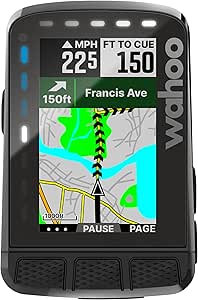
A tiny handlebar screen can do more for a ride than a fancy new bottle cage. The Wahoo ELEMNT Mini GPS cycling computer sits in that sweet spot where a low price makes riders pause, mostly because it promises the basics without the bulk. For U.S. commuters, weekend road riders, and casual fitness cyclists, this deal deserves a careful look, not a blind click. The Mini was first built for riders who wanted speed, distance, time, and ride records without paying premium money, and that old mission still makes sense. Yet there is a catch. Wahoo says the ELEMNT MINI was retired in November 2025, and retired gear needs a sharper buyer than new gear does. That does not kill the deal. It changes the question. You are not asking whether this is the newest device on the shelf. You are asking whether a clean, low-cost ride computer can still earn its space on your bars. For more practical buying angles like this, consumer tech deal coverage can help readers think past the discount sticker.
Why This Small Wahoo Deal Feels Bigger Than the Price Tag
Small cycling electronics have a strange way of pulling riders into upgrades they did not plan. A helmet light feels useful. A bottle cage feels harmless. A bike computer feels like a commitment. That is why a low price on the Mini matters. It lowers the mental wall between “I track rides on my phone” and “I want a dedicated screen where I can see my ride at a glance.”
The best cycling upgrades often reduce tiny points of friction. They do not change your fitness overnight. They make the ride easier to repeat. A small computer that shows the basics can be enough to get a rider out the door again on Tuesday after work.
A cheap screen can change a ride more than a new jersey
The appeal is not glamour. The appeal is fewer little annoyances. When you ride a local rail trail in Ohio or a Sunday loop outside Austin, pulling out your phone at each stop gets old fast. A small display gives you speed, distance, and ride time without making the ride feel like a tech session.
That sounds minor until you ride in heat, gloves, sweat, rain, or traffic. A phone can sit in a pocket. The screen on the bars can handle the small job in front of it. That is the Mini’s best argument: it does not try to replace a phone for every task.
Wahoo’s own quick start guide shows how basic the kit was meant to be. The box includes the Mini unit, a stem mount, zip ties, a speed sensor, and the printed setup materials. It can also be used without a smartphone after skipping the QR setup and pairing the included speed sensor. That is the kind of plain setup many casual riders want. On a weekday commute, seeing speed and time without waking a phone can feel less like data tracking and more like keeping your rhythm.
Why the Mini still has a narrow lane
The Mini is not for every rider, and that is not a flaw. It was never built as a premium navigation head unit. DC Rainmaker described the launch price as $99 with a speed sensor, aimed more at commuters and recreational riders than hard-core racers. That tells you a lot about how to judge the current discount.
The non-obvious point is that older basic tech can feel better than newer complex tech when the job is small. A rider who wants distance, time, and speed may not need color maps, climb pages, or advanced training fields. Paying less can mean buying less clutter. That can be a relief on a bike, where too many screens can steal attention from the road.
Still, the narrow lane matters. The Mini has value when your rides are familiar, your needs are basic, and your phone is already part of your routine. If you want route planning on the unit itself, deep workout screens, or long-distance touring help, this deal starts to look cheap for the wrong reason. A low price should remove waste, not hide a mismatch. That is the key line between a smart Wahoo bike computer purchase and a small mistake.
What to Check Before Buying a GPS cycling computer
The price tag may start the story, but compatibility finishes it. A buyer looking at older Wahoo stock should slow down and check what still works, what no longer gets help, and what depends on a phone. This is where a deal either becomes smart or turns into a drawer gadget.
That check matters more in 2026 because the Mini sits in a different life stage than newer models. You are not comparing two current products with different screen sizes. You are weighing an older tool against your exact ride habits, your phone habits, and your patience for limited support. A rider in Phoenix who mainly logs dawn rides has a different need from a rider crossing unfamiliar back roads in Vermont. The same sale price can be sensible for one and wrong for the other.
Phone pairing matters more than the discount
OutdoorGearLab’s review called the Mini a two-role device: a basic cycling computer by itself, or a GPS tracking unit when paired with a smartphone. The same review also pointed out the big limit, which is that location tracking depends on the phone and app connection. That is the heart of the buying decision.
For a rider who always carries a phone, that may be fine. Many Americans already ride with a phone for photos, emergency calls, music, or coffee-stop texts. In that case, the Mini becomes a small front-end display for a setup you already carry. The phone does the heavier lifting while the bars show the numbers you want mid-ride.
The problem appears when a buyer thinks the unit is a full standalone mapper. It is not that kind of device. If you expect the head unit alone to guide a gravel route in rural Kansas or save a long road ride without the phone playing along, you may feel boxed in. The discount cannot fix that. Check this before checkout, because buyer regret often begins with one wrong assumption.
Used and clearance units need a sharper eye
Older electronics ask different questions from new electronics. You should check whether the package includes the RPM Speed Sensor, the stem mount, and working battery access. Missing parts can erase the savings. A cheap unit without the sensor may cost more once you replace what should have been in the box.
Check the seller language too. “Open box,” “renewed,” “clearance,” and “used” do not mean the same thing. A sealed box at a strong sale price is different from a scratched unit with no mount and no return window. That gap matters more on retired gear because active customer support may not be there to soften a bad buy. Photos matter as well. A seller who shows the front, back, mount, sensor, and packaging is giving you more confidence than a listing with one blurry handlebar shot.
Wahoo’s retirement note says the Mini will no longer interact with the ELEMNT app, receive new software features, get bug fixes, or receive active customer support. It also says the device can keep working as it does today when not connected to the app. That is a fair trade for some riders. It is a poor one for others. Know which side you are on before you buy. For a bargain hunter, the best answer may be yes, but only at a price that admits the limits.
Who Should Buy the Mini, and Who Should Walk Away
A low-cost cycling computer only makes sense when it fits the rider’s habits. The Mini is strongest when the ride is simple and repeatable. It becomes weaker when the rider wants one device to handle training, navigation, sensor depth, and long-term software care.
This is where honest self-knowledge saves money. Many riders buy for the cyclist they hope to become next summer. That can work for shoes or lights. It is risky with electronics, because features you do not use still add cost, setup, and distraction.
Best fit for casual road riders and commuters
The strongest buyer is the rider who wants a clean record of normal rides. Think of someone commuting across Denver, riding paved greenways near Minneapolis, or doing the same 18-mile loop before work in North Carolina. That rider may care about time, speed, and distance, not a screen packed with charts.
For that person, the Mini gives a tidy middle ground. It keeps the phone off the bars, keeps basic ride numbers visible, and avoids the cost of newer units. Pair it with realistic expectations and the deal becomes easier to defend. A commuter who rides the same route five days a week may not need turn prompts at all. They may want to know whether the headwind is slowing them down or whether they left home late.
This is also where beginner cycling gear upgrades can help. Newer riders often spend money in the wrong order. A bike fit, good tires, a floor pump, and a simple ride computer may improve daily riding more than a flashy upgrade that looks better in photos. The Mini belongs in that plain, useful category when the price is low enough.
Bad fit for data-heavy training
The wrong buyer is the rider chasing deeper training feedback. If you are tracking intervals, power targets, structured workouts, race pacing, route alerts, and post-ride analysis, the Mini will feel thin. You may save money on day one and pay for it in frustration.
That does not make the Mini bad. It means the Mini has a small job. Serious training often needs a screen that handles more fields, stronger route tools, and cleaner pairing across sensors. A newer Wahoo bike computer or a competing head unit may cost more, but it can reduce friction every ride. For a rider preparing for a gran fondo, gravel event, or triathlon plan, that daily ease can be worth the higher bill.
The counterintuitive lesson is that beginners should not always buy the cheapest device, and advanced riders should not always buy the most expensive one. Match the tool to the ride. A commuter may be happy with the Mini for years. A racer may outgrow it by the second workout. The right cycling computer for beginners is the one that helps a rider build a habit without burying them in settings.
How This Deal Compares With Newer Wahoo Bike Computer Options
The Mini deal does not sit in a vacuum. Wahoo’s current range has moved far beyond the little retired unit, and recent sales show how wide the price ladder has become. That helps explain why the Mini can still attract attention when money is tight.
It also helps explain why the cheaper option is not always the weaker choice. Price ladders are built to push buyers upward. Cyclists need to push back by asking what their own riding day looks like, not what the product page makes sound tempting. A rider who never loads routes should not pay a premium because a map looks crisp in an ad. A rider who gets lost often should not pretend a tiny bargain screen can solve that.
The Bolt and Roam ask for more money, but solve different problems
Recent deal coverage showed newer Wahoo units still selling in a higher band. Cycling Weekly reported Prime Day pricing of $297.49 for the ELEMNT BOLT V3 and $380 for the ELEMNT ROAM V3, with the ROAM dropping under $400 for the first time since its May 2025 launch. Those numbers are not in the same emotional category as a cheap Mini.
That gap matters. A rider buying a BOLT or ROAM is paying for a more current experience, clearer navigation, active platform support, and a fuller feature set. A rider buying the Mini is paying for the basics. Those are different purchases, even if both sit under the same brand name. Treating them as direct rivals can make the cheaper item look worse than it is.
This is why bike computer deals can be tricky. The biggest discount is not always the best value. A $300 device that solves your exact riding problem may be smarter than a lower-priced unit that misses it. But if your rides are simple, the cheaper unit may be all the screen you need. The Mini wins only when the rider refuses to pay for features that would sit unused.
Why older gear can be the smarter buy
There is a reason riders still talk about older cycling electronics with affection. Many bike products age better than phones because the core ride questions do not change. How far did I go? How fast am I moving? How long have I been out? Those questions are old, and they still matter.
Older gear can also feel calmer. Newer screens invite more data, more setup, more alerts, and more decision fatigue. Some riders do not want their Saturday spin to feel like a dashboard meeting. They want enough information to stay honest and no more. That is where an older deal can beat a modern spec sheet.
The risk is support. Once a product is retired, the buyer carries more of the burden. That is why a bike computer buying guide should always make room for support status, return policy, included parts, and app needs. A good deal is not the lowest number. It is the lowest number that still fits the ride you plan to take. If the seller is honest and the price reflects the retirement status, the Mini can still make sense.
Conclusion
A record-low deal can make old gear feel new again, but the smartest buyer keeps both eyes open. The Mini is best viewed as a low-cost ride companion for familiar routes, casual fitness, commuting, and riders who want fewer phone checks on the move. It is not the right pick for full navigation, deep training screens, or anyone who needs active app support. That line matters. The Wahoo ELEMNT Mini GPS cycling computer still has a place when the price is low enough and the expectations are honest. The retirement note should not scare every buyer away, but it should stop careless buying. Check the seller, confirm the sensor and mount, read the return terms, and decide whether basic ride data is enough. If it is, this small device can still make a ride feel cleaner. If it is not, spend more once instead of buying twice. Buy the tool that matches your miles, not the one that makes the discount look loud.
Frequently Asked Questions
Is the Wahoo ELEMNT Mini still worth buying at a low price?
Yes, for casual riders who want speed, distance, and time without spending much. The value depends on the package condition, included sensor, return policy, and your comfort with retired gear. It is weaker for riders who want current app support or full navigation.
Does the Wahoo ELEMNT Mini work without a phone?
Yes, it can work in a basic mode with the included speed sensor. That setup covers simple ride data. Phone pairing matters when you want location-based tracking and connected features, so buyers should not treat it like a full standalone mapping unit.
What should I check before buying a used Wahoo ELEMNT Mini?
Check for the bike computer, RPM Speed Sensor, stem mount, zip ties, clean battery contacts, and a fair return window. A missing sensor can hurt the deal fast. Also check whether the seller calls it new, open box, renewed, or used.
Is the Mini better than using a phone on the handlebars?
It can be better for quick ride numbers because it keeps your phone protected and your cockpit cleaner. A phone still wins for maps, calls, photos, and apps. Many riders use both: the Mini for glanceable data and the phone in a pocket.
Who should avoid this Wahoo bike computer?
Riders who need route guidance, structured workouts, power-heavy training pages, fresh software features, or active app support should look at newer units. The Mini fits simple cycling habits. It does not fit riders who want one device to manage every ride detail.
How does the Mini compare with newer Wahoo bike computer deals?
Newer Wahoo units cost more because they offer stronger navigation, better screens, current support, and richer ride tools. The Mini competes on price and simplicity. It makes sense when you want basic tracking, not when you want a modern training and route device.
Is this a good cycling computer for beginners?
Yes, for beginners who ride familiar routes and want to see simple numbers. It teaches useful ride awareness without flooding the screen. Beginners planning long routes, group events, or training goals may be happier starting with a newer model.
What price makes the Wahoo ELEMNT Mini a smart buy?
The smart price depends on condition and included parts. A strong deal should be low enough to account for retired support and limited features. If the package lacks the speed sensor or has no return window, the savings need to be much deeper.