
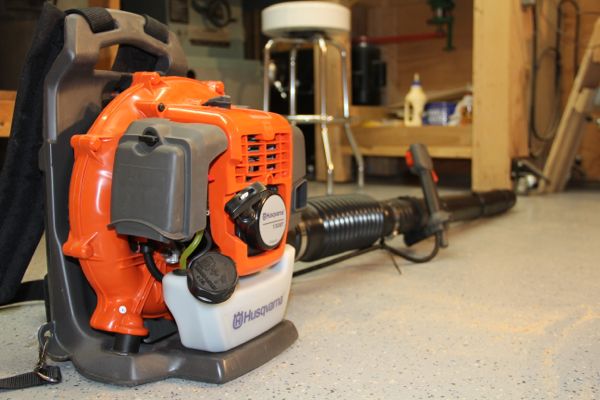
Fall yard work has a way of punishing late shoppers. One windy weekend, a maple drops half its canopy, the curb pickup date moves closer, and the small handheld blower in the garage starts to feel like a toy. That is why the Husqvarna 130BT is getting attention from homeowners who want more push before autumn leaf season gets messy. The appeal is not mystery. It is a gas-powered backpack unit with the kind of comfort, airflow, and yard-ready build that fits suburban lots, wooded edges, and long driveways better than a rake-only plan. It also sits in a strange buyer’s window: Husqvarna’s own support page marks the model as discontinued, while at least one major retailer page has shown shipping as sold out, which makes remaining stock feel more time-sensitive than a normal fall promotion. For readers tracking seasonal gear, home and outdoor buying coverage matters most when it catches this kind of timing before the leaves are already wet, heavy, and packed into corners.
Why the Husqvarna 130BT Fits the Pre-Leaf Rush
The rush around this model makes sense because fall cleanup is not a slow, polite chore. It comes in bursts. One week the lawn is clean, then a cold front strips the trees, and the whole yard changes before Saturday breakfast. A backpack leaf blower earns its keep in that moment, not because it feels fancy, but because it turns a full-body job into a guided walk.
The appeal is comfort before raw bragging power
Many shoppers look first at airspeed and CFM. That is fair. The 130BT has been listed with a 29.5cc engine, air velocity around 145 mph, and air volume up to 430 CFM on retailer pages, while Husqvarna’s support specs show 145 mph airspeed and a backpack weight listed at 14.55 pounds. Those numbers put it in a homeowner lane, not a commercial crew lane.
That is not a weakness for the right buyer. A lighter backpack unit can be the better pick for a half-acre yard with maples, oaks, a fence line, and a driveway that collects leaf drifts. You are not trying to clear a city park. You are trying to finish the yard without your shoulder burning after twenty minutes.
The non-obvious part is this: comfort often beats peak force during leaf season. A stronger machine that feels awkward can sit unused. A more manageable blower gets pulled out after dinner, before rain turns dry leaves into mats. That small habit saves more time than chasing the largest spec sheet.
Seasonal demand changes the buying math
Leaf tools do not sell like kitchen gadgets. They move when the weather starts making people nervous. A homeowner in Pennsylvania, Ohio, Michigan, or upstate New York may ignore yard equipment in July, then start checking stock once cooler nights arrive and trees begin dropping early leaves. That timing matters.
A discontinued model can make that pressure sharper. When a product is still familiar, still supported, but no longer positioned like a fresh current-line item, shoppers may find scattered inventory instead of steady supply. That does not mean every listing is gone. It means you should not assume another shipment will appear in the same place at the same price.
This is where large yard cleanup becomes less about bargain hunting and more about risk. Waiting can save money. It can also leave you shopping after the first leaf storm, when local stores are picked over and online delivery windows stop matching your weekend plans.
What Homeowners Should Know Before Buying
A blower can look right online and still be wrong for your yard. The best way to judge this one is to picture the work path, not the product photo. Where do leaves pile up? How far must they move? Are you clearing grass, gravel, flower beds, gutters, patios, or a long curb line? Those answers matter more than brand loyalty.
Match the machine to the mess, not the fantasy yard
The 130BT suits a homeowner who has outgrown handheld blowers but does not need the largest professional model. Think of a two-car driveway under a row of maples, a backyard with mulch beds, or a side yard where leaves wedge against a vinyl fence. That is real suburban work. It is not gentle, but it is also not a full-day landscaping route.
A backpack leaf blower helps because it spreads weight across your shoulders and back. The tube still needs control, but your arms are not carrying the whole machine. During autumn leaf season, that difference becomes plain after the second pile, not the first.
There is also a smarter way to use it. Do not blast every leaf to the street in one wild pass. Start at the house, clear beds with lower throttle, push leaves into lanes, then move those lanes toward one collection area. Calm work often beats loud work.
Gas power still has a place, but it asks for care
Battery blowers have improved, and for small lots they can be the cleaner answer. Gas still makes sense when you need steady runtime, strong output, and no pause for charging during a narrow weather window. That is the honest trade.
The catch is maintenance. Old fuel causes more fall frustration than most owners admit. If a gas blower sits with stale mix, the carburetor can get fussy, starts can become harder, and the machine you bought for speed becomes another chore. Fresh fuel, correct mix, a clean air filter, and a quick pre-season test are not optional habits for dependable use.
Noise also deserves respect. Husqvarna’s support specs list operator-ear sound pressure at 91 dB(A), and NIOSH advises precautions when noise reaches 85 dBA or higher. That means hearing protection is not overkill. It is the cheap part of owning outdoor power gear.
Husqvarna 130BT Buying Timing and Stock Reality
The headline around sellouts should be read with a practical eye. It is not about panic. It is about understanding how seasonal equipment disappears in pockets. One retailer may have a few units, another may show none, and a third may push buyers toward a newer model. That uneven market is common when a known tool sits between active demand and reduced availability.
Discontinued does not always mean undesirable
Some buyers see “discontinued” and walk away. That can be wise when parts are rare or support is weak. Here, Husqvarna’s support page still provides model support, specs, manuals, and parts resources, even while marking the product discontinued. That puts the 130BT in a different category from a mystery off-brand unit with no service trail.
Still, you should check what you are buying. Is it new, open-box, used, refurbished, or old stock? Does it include tubes, harness parts, and the manual? Is the seller clear about returns? A low price means less if a missing tube turns the blower into a repair project before the first leaf pile.
The counterintuitive move is to care less about the lowest price and more about the cleanest purchase path. A fair price from a seller with returns can beat a cheaper listing that leaves you guessing about condition.
Compare it against your real alternatives
The closest decision is usually not “buy or don’t buy.” It is “buy this, buy a newer gas backpack, buy battery, or hire help once.” Each path has a different cost.
For a wooded quarter-acre yard, a capable handheld may still work if you enjoy taking your time. For a larger lot, wet leaves, long cleanup paths, or repeated fall storms, a backpack unit makes more sense. If you hate fuel mixing or have strict local noise rules, battery may be worth the higher upfront cost.
You can build a simple decision list:
- Choose gas backpack power if leaves move far and cleanup takes more than an hour.
- Choose battery if your yard is smaller and noise matters more.
- Choose handheld if the job is light and storage space is tight.
- Choose paid cleanup if the yard overwhelms your weekends.
That list is plain, but it prevents a bad buy. Large yard cleanup should feel easier after the purchase. If the tool creates new friction, it was the wrong tool.
How to Get the Most Value From It This Fall
Buying the blower is only half the story. The way you use it decides whether it becomes a seasonal hero or a noisy garage ornament. Fall rewards planning. It punishes the homeowner who waits until wet leaves are glued to the lawn.
Work with dry leaves and natural wind
Dry leaves move in sheets. Wet leaves move like laundry. That one difference can double the effort, even with a good blower. Watch the forecast and clear the yard before rain, not after it. If the wind is already pushing leaves toward the curb or woods line, work with it instead of fighting it.
A homeowner in a tree-heavy New Jersey suburb, for example, may get better results from three short cleanup sessions than one long Sunday battle. Clear the front walk after the first drop, move side-yard leaves before they mat down, then do the full lawn once the biggest trees are bare.
Here is the quiet trick: do not try to remove every leaf from the grass. University extension guidance often supports mulching some leaves back into the lawn when they are chopped fine enough and not smothering turf. Michigan State University Extension notes that mulched leaves can return nutrients to the lawn and garden. Blow the thick piles. Mulch the light scatter. Your yard will look better, and you will work less.
Store it like you expect it to start next year
Most owners treat storage as the end of the job. It is closer to the start of next season. A gas blower that is put away dirty, fueled wrong, and forgotten for months may punish you right when the next fall rush begins.
After the final cleanup, wipe the housing, check the air intake, inspect the straps, and follow the manual’s fuel storage guidance. Keep the tubes together. Store it where mice, dampness, and garage clutter will not turn a working tool into a parts hunt.
This is also a good time to build your own fall system. Pair the blower with a tarp, leaf bags, gloves, hearing protection, and a rake for tight beds. A blower moves material. A system finishes the job. For more planning, add your own fall lawn care checklist and outdoor power equipment guide near this article so readers can move from buying advice into action.
Conclusion
A good fall tool does not need to be the biggest machine on the block. It needs to match the yard, start when needed, and save enough effort that you use it before the mess gets worse. That is the real reason this model keeps drawing attention. The Husqvarna 130BT makes sense for homeowners who want backpack comfort, gas runtime, and enough push for seasonal leaf work without stepping into heavy commercial territory. Stock pressure adds urgency, but it should not replace judgment. Check condition, seller terms, local rules, fuel needs, and whether your yard truly calls for this size of blower. If it does, buying before the first major leaf drop is the smarter play. Once the rain hits and the curb piles grow, the best deal is usually the one you already have in the garage.
Frequently Asked Questions
Is this blower good for a half-acre yard?
Yes, it can fit a half-acre yard well when the property has trees, driveway edges, beds, and fence lines. It gives more comfort than most handheld units while staying easier to manage than heavier pro-grade blowers.
How loud is this type of gas backpack blower?
It is loud enough that hearing protection should be part of the setup. Gas backpack blowers commonly reach levels where long exposure can affect hearing, so use ear protection and avoid early morning or late evening operation.
Is a backpack blower better than a handheld blower for leaves?
Yes, for larger yards or longer cleanup sessions. A handheld blower is fine for patios and small lawns, but a backpack design spreads weight across your body and helps reduce arm fatigue during fall cleanup.
Should I buy a discontinued blower model?
It can be a smart buy when parts, manuals, and seller support are still available. The risk rises if the unit is used, incomplete, or sold without returns, so check condition and support before paying.
What should I check before buying used?
Check the pull start, fuel lines, air filter, throttle response, tubes, straps, and signs of fuel leaks. Ask the seller to start it cold, not warmed up, because cold starts reveal more about engine health.
Can this blower move wet leaves?
It can move damp leaves, but wet piles take more time and throttle. Clear leaves before rain when possible. If leaves are soaked and packed down, break them with a rake first, then use the blower to move them.
Is gas better than battery for fall leaf cleanup?
Gas often wins for longer runtime and steady power on larger properties. Battery wins for lower noise, easier starts, and less maintenance. The better choice depends on yard size, local rules, and how long cleanup takes.
What accessories should I use with it?
Use hearing protection, eye protection, gloves, a tarp, and sturdy leaf bags. A rake still helps in tight beds and corners. The blower moves leaves fast, but simple cleanup tools help finish the job cleanly.