

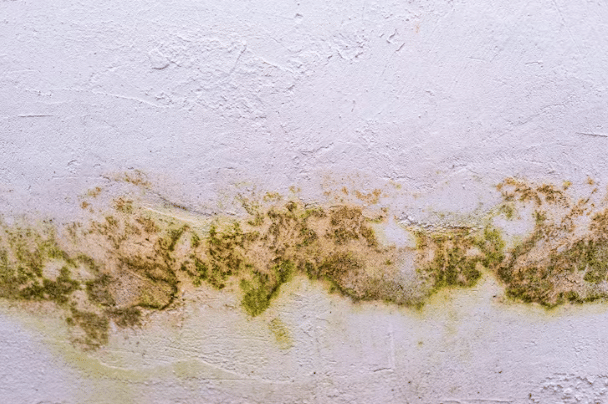
An unexpected water leak could be a small house issue that becomes a large repair trouble if not resolved promptly. Water may seep under flooring, behind walls, and into materials that can’t be readily accessed from the surface.
The first priority is to stop the source, but the work should not end once visible water is gone. Drying, moisture control, and secondary problem checks can help preserve the building and minimize the risk of mold or residual damage. The next steps in recovery are made easier when you know what to do.
Stop the Water and Protect the Area
If possible, the first step is to stop the source of the leak. Turn off the turnoff and refrain from using electrical equipment or outlets that have been in contact with water. Remove furniture, electronics, and other valuables that are in affected areas if possible.
Take photographs of any damage before taking away materials or making major changes: it can be helpful when considering repairs or an insurance claim.
Check How Far the Water Has Traveled
Sometimes it is not obvious that there is a leak if there is water standing in the house. Moisture can seep under flooring, into drywall, behind cabinets, and through the ceiling cavities. Look for swollen materials, discoloration, peeling paint, warped flooring, damp insulation, or musty odors.
Sometimes a small area may seem to be wet, but you have reason for suspecting that water has moved into unreachable areas, which is an instance where professional moisture detection can be extremely helpful.
What to Expect From Professional Water Damage Restoration
The first step in water damage restoration services is to evaluate the water damage and where the water is coming from. The restoration professionals can then drain the standing water, locate concealed moisture, dry the materials, and determine whether the item is salvaged or removed.
The drying stage is one that is important to mention. If there’s moisture in porous materials, it can’t be eliminated simply by removing visible water.
Use of the appropriate equipment and moisture monitoring techniques can assist in establishing moisture conditions for the affected area prior to repairs and rebuilding.
How a Mold Inspection Can Identify Potential Problems
After a water event, a professional mold inspection can help to determine where mold may be present or where it may be a concern. Moisture in the materials, such as behind drywall, under floor coverings, inside the insulation, and in other wet parts of the building, can lead to mold growth.
An inspection should be used to identify the source of the moisture issue and the extent of the moisture, and not just for visible growth. In some cases, testing may be warranted, but it is not always the best next step if moisture assessment is the next step.
Finish With Repairs and Preventive Improvements
After drying and inspecting the property, materials that are damaged can be repaired or replaced. The aim should be to restore value and the look, as well as remediation of the cause of the leak.
Look for measures that can minimize the future risk of potential leaks; these may include replacing leaky supply lines, servicing appliances, inspecting roof drains, and observing areas that have previously leaked.