

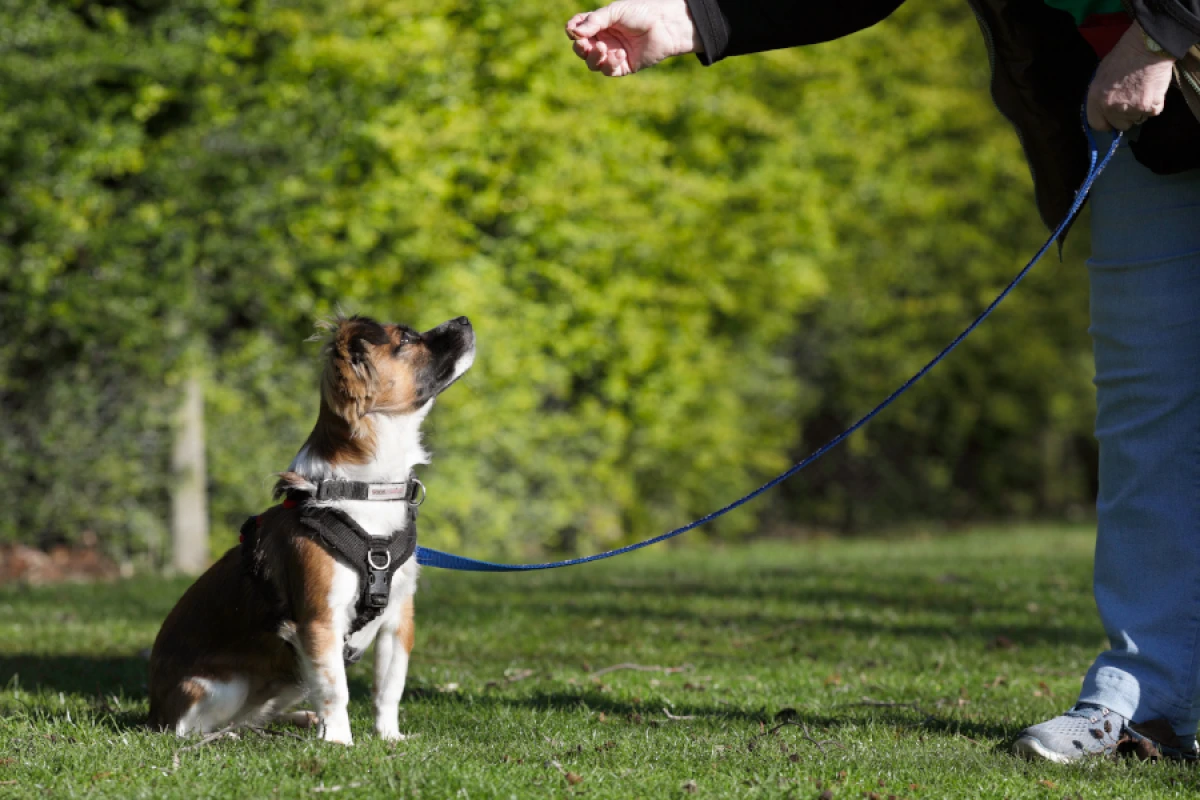
Building a stronger relationship with a dog takes more than basic obedience lessons. Dogs respond best when they are mentally involved, emotionally connected, and consistently guided through real-world situations. That is why many pet owners are now turning to canine engagement training programs Phoenix families can rely on for long-term behavioral success.
Training built around engagement focuses on communication, trust, and participation instead of simple command repetition. Dogs learn to pay attention, stay responsive in distracting environments, and develop healthy behavior patterns that carry into daily life. Whether raising a young puppy or working through challenges with an older dog, engagement-based training creates a more productive experience for both dogs and owners.
At Rob’s Dog Training, the goal is to help dogs become calm, attentive, and reliable companions through structured, practical guidance designed for real-life situations.
Why Engagement Matters in Modern Dog Training
Traditional obedience methods often focus heavily on correcting unwanted behavior after it appears. While commands remain important, many dogs struggle when training lacks connection and consistency.
Engagement training changes the approach by teaching dogs to willingly focus on their handler. Instead of reacting only when told, dogs begin making better behavioral choices naturally because they are mentally involved in the interaction.
This type of training can help improve:
- Focus around distractions
- Confidence in unfamiliar environments
- Recall reliability
- Loose-leash walking
- Calm social behavior
- Household manners
- Impulse control
Dogs that remain engaged with their owners are often easier to guide during stressful or stimulating situations. This creates safer, more manageable experiences during walks, public outings, and family activities.
The Growing Need for Structured Training in Phoenix
Life in Phoenix presents unique distractions and environmental challenges for dogs. Busy neighborhoods, parks, outdoor dining areas, and public spaces expose dogs to constant movement, sounds, and interactions.
Without proper training, many dogs become overstimulated or reactive. Pulling on the leash, barking excessively, jumping on visitors, and ignoring commands are common issues that develop when dogs lack structure and mental engagement.
Canine engagement training programs Phoenix pet owners seek today are designed to prepare dogs for modern lifestyles. Rather than training only in quiet indoor spaces, effective programs gradually expose dogs to realistic environments while strengthening communication skills.
This practical approach helps dogs remain calm and responsive regardless of surrounding distractions.
What Makes Engagement Training Different
Engagement-focused training is not about forcing obedience through repetition alone. Instead, it encourages dogs to participate actively in the learning process.
Key differences often include:
Building Attention Before Commands
Dogs first learn how to focus on their handler before advanced behaviors are introduced. This foundation creates stronger responsiveness during future lessons.
Rewarding Calm Decision-Making
Rather than reacting only to mistakes, engagement training reinforces positive choices before problems escalate.
Using Real-Life Situations
Training sessions may involve parks, sidewalks, neighborhoods, or public spaces where dogs learn practical behavior skills.
Encouraging Mental Stimulation
Dogs benefit from structured problem-solving activities that help reduce boredom and destructive habits.
Supporting Owner Consistency
Owners receive guidance on communication techniques, timing, and reinforcement methods that improve long-term success.
This creates a more balanced training experience focused on relationship-building rather than temporary compliance.
Common Behavioral Challenges Addressed
Many dogs display unwanted behaviors because they are overstimulated, under-engaged, or unclear about expectations. Engagement-based programs help address the root causes of these issues.
Pulling on the Leash
Dogs often pull because they are overly focused on their surroundings rather than their handler. Engagement exercises redirect attention and improve walking behavior.
Jumping on Guests
Excitement can quickly become overwhelming without clear boundaries. Structured routines help dogs remain calm during greetings.
Poor Recall
Reliable recall depends heavily on a dog’s willingness to stay connected with the owner even when distractions appear.
Excessive Barking
Dogs that lack mental stimulation or emotional balance may bark excessively. Engagement training helps redirect energy productively.
Reactivity Around Other Dogs
Many reactive behaviors improve when dogs learn emotional regulation and stronger handler focus.
Lack of Focus Outdoors
Some dogs respond well indoors but ignore commands outside. Engagement programs gradually strengthen responsiveness in more challenging environments.
Why Mental Engagement Is Essential
Physical exercise alone does not fully satisfy most dogs. Mental stimulation plays a major role in behavioral stability and emotional balance.
Dogs that regularly participate in structured engagement activities often show improvements in:
- Patience
- Confidence
- Attention span
- Adaptability
- Emotional control
Mental exercises may include obedience routines, controlled exposure sessions, scent work, structured play, and problem-solving tasks.
When dogs are mentally engaged, they are less likely to develop destructive habits caused by boredom or frustration.
The Importance of Consistency
One of the biggest reasons training fails is inconsistency. Dogs learn through repetition, timing, and predictable expectations.
Successful canine engagement training programs Phoenix dog owners value often emphasize daily structure rather than occasional corrections.
Consistency may include:
- Clear household boundaries
- Routine walking expectations
- Consistent reward timing
- Structured greeting behaviors
- Daily engagement exercises
- Reinforcement during distractions
Even short daily sessions can produce meaningful progress when practiced consistently.
Why Early Training Creates Long-Term Benefits
Puppies absorb information rapidly during early developmental stages. Structured engagement training helps shape healthy behaviors before negative habits become established.
Early training can support:
- Social confidence
- Improved communication
- Better impulse control
- Reduced fear responses
- Stronger adaptability
However, older dogs also benefit greatly from engagement-focused methods. Dogs of all ages can improve behavior when training is clear, structured, and consistent.
Real-World Training Builds Reliability
Some dogs behave well during controlled lessons but struggle once distractions increase. Real-world exposure is important because dogs must learn to apply behaviors in practical environments.
This may include training around:
- Pedestrian traffic
- Outdoor patios
- Neighborhood walks
- Public parks
- Vehicle movement
- Other animals
Gradual exposure teaches dogs how to remain calm and responsive despite changing surroundings.
This practical training style helps create dependable behavior outside the home rather than temporary obedience limited to training sessions.
Strengthening the Human-Canine Relationship
Training is not simply about commands. It is about communication, trust, and shared understanding.
Dogs that feel connected to their owners are often more responsive, emotionally balanced, and cooperative. Engagement-based methods help owners better understand canine body language, timing, and behavioral triggers.
This stronger relationship often improves:
- Daily routines
- Walk quality
- Household behavior
- Public interactions
- Overall confidence
Owners also gain clearer communication tools that help prevent frustration and confusion during training.
Choosing the Right Training Program
Not every training program follows the same philosophy or structure. Choosing the right trainer can significantly impact long-term results.
When evaluating canine engagement training programs Phoenix residents may consider factors such as:
Experience With Behavioral Issues
Programs should address both foundational obedience and more complex behavioral challenges.
Real-Life Application
Training should prepare dogs for practical environments, not just controlled classrooms.
Clear Communication
Owners should understand how to continue reinforcing behaviors outside of sessions.
Balanced Structure
Effective programs combine guidance, repetition, engagement, and accountability.
Personalized Approaches
Every dog learns differently based on age, temperament, history, and energy level.
Programs that adapt to individual dogs often create more reliable outcomes.
The Role of Owners in Successful Training
Professional guidance provides the structure, but long-term success depends heavily on owner participation.
Dogs learn through everyday interactions, not just scheduled sessions. Small habits repeated daily have a major influence on behavior development.
Owners who remain involved often see stronger progress because they learn how to:
- Reinforce calm behavior
- Prevent overstimulation
- Improve communication timing
- Maintain consistency
- Redirect unwanted behaviors early
Training becomes part of daily life rather than an isolated activity.
Creating Better Daily Experiences
Well-trained dogs are often more enjoyable companions because they can safely participate in more activities.
Reliable engagement training may help dogs become more comfortable during:
- Family gatherings
- Public outings
- Vet visits
- Walks through busy areas
- Outdoor dining
- Travel situations
This improves quality of life for both dogs and owners while reducing stress in common situations.
Why Engagement Training Continues to Gain Attention
Modern dog owners increasingly recognize that behavioral stability comes from more than strict obedience alone. Dogs thrive when training supports communication, emotional balance, and mental participation.
Canine engagement training programs Phoenix pet owners continue to seek are growing in popularity because they focus on sustainable results rather than quick fixes.
Engaged dogs are often calmer, more attentive, and easier to guide through daily life challenges. Owners also benefit from clearer communication and stronger confidence when handling their dogs in public or at home.
Building Long-Term Success Through Structured Guidance
Training is an ongoing process that develops over time through patience, consistency, and practical experience. Dogs that receive structured engagement training often develop healthier behavioral habits that continue well beyond initial lessons.
At Rob’s Dog Training, the focus remains on helping dogs and owners build stronger communication, dependable behavior, and lasting trust through practical training methods designed for real-world success.
Whether working with a young puppy, an energetic adolescent dog, or an adult companion needing better structure, canine engagement training programs Phoenix pet owners rely on can help create calmer routines, improved focus, and a more rewarding relationship between dogs and their families.