

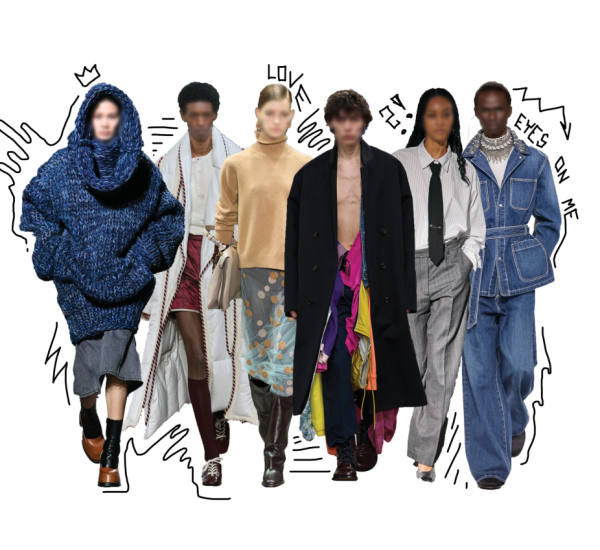
Culture moves faster than most people can name it. One week a song lyric becomes a national joke, the next week a streaming show changes how Americans dress for work, date, shop, and talk online. A strong pop culture guide helps you slow the noise down long enough to see what people are actually responding to. Trends are not random glitter tossed across TikTok, red carpets, podcasts, sports broadcasts, and group chats. They are signals. They show what people want to belong to, what they want to reject, and what they want to say about themselves without giving a speech. Across the USA, American pop culture often starts as entertainment, then slips into language, fashion, politics, food, parenting, school life, and brand choices. Even local conversations now borrow from national moments, whether that means a Super Bowl ad, a viral concert clip, or a creator’s offhand phrase. For businesses, writers, fans, and anyone trying to read the room, public visibility in media culture matters because attention shapes trust before facts even arrive.
How Pop Culture Turns Everyday Moments Into Shared Language
Shared language gives pop culture its staying power. A trend becomes more than a trend when people use it to explain something outside the original moment. That is why a line from a reality show can describe office drama, a meme can soften political stress, and a celebrity outfit can become shorthand for confidence at a backyard party in Ohio or a college campus in Arizona.
Why American Pop Culture Travels Faster Than News
American pop culture spreads because it asks less from people than news does. News often demands concern, opinion, or action. Culture offers a lighter entry point. You can laugh at a meme before deciding what it means, and that low-pressure opening helps ideas move through families, friend groups, and workplace chats.
A movie scene, a halftime performance, or a viral creator moment can cross age lines because it gives people a common reference. Your uncle may not follow social media trends, but he may know the joke after hearing it on a morning radio show. Your coworker may not watch the same series as you, but she may understand the phrase because the internet dragged it into public speech.
The odd part is that entertainment often becomes serious after it spreads. A joke about burnout can reveal how Americans feel about work. A fashion trend can expose how people feel about status, thrift, or body image. The laugh arrives first; the meaning follows a few steps behind.
How Social Media Trends Create Instant Belonging
Social media trends give people a quick way to join the room. You do not need money, fame, or a production crew to take part in a dance, quote a sound, remix a meme, or react to a celebrity moment. That low barrier changes everything.
The strongest social media trends work like tiny badges. Posting the right reference tells people you understand the mood. It says you are not outside the conversation. For American teens, college students, young parents, and office workers, that can matter more than the content itself.
Belonging also explains why some weak trends survive longer than sharper ones. A joke does not need to be brilliant if it helps people feel included. The internet is full of average jokes with strong social glue. That glue is the part many brands miss when they chase formats without understanding the feeling underneath.
The New Rules of Fame, Influence, and Attention
Fame used to feel distant. You watched celebrities through movie screens, magazine covers, award shows, and cable interviews. Today, celebrity influence feels closer because public figures perform normal life alongside polished life. That shift has changed how Americans judge authenticity, status, and trust.
Why Celebrity Influence Feels More Personal Now
Celebrity influence works differently when fans feel like they are watching someone’s day unfold in real time. A singer posts from the studio. An actor shares a messy kitchen video. An athlete reacts to a fan edit. These moments may be planned, but they feel casual enough to create emotional closeness.
That closeness makes fans more protective and more demanding. People want public figures to be relatable, but not careless. They want access, but still expect polish. One wrong caption can undo months of goodwill because audiences now treat celebrity behavior like a public conversation, not a distant performance.
American consumers also buy through that feeling. A beauty product, sneaker, coffee order, or jacket gains value when it looks like part of someone’s life instead of a formal ad. The product becomes a prop in a story fans already want to believe.
How Creators Compete With Traditional Stars
Creators have changed the fame ladder because they do not need permission from studios, labels, or networks to gather an audience. A person filming in a bedroom in Texas can shape youth culture faster than a national campaign if the tone lands at the right moment. That fact still makes older media companies uncomfortable.
Traditional stars carry scale, but creators carry intimacy. A film actor may reach millions, yet a niche creator may drive stronger trust among people who share a hobby, identity, humor style, or life stage. That is why a cooking creator can move grocery habits, and a book creator can lift an old novel back into public conversation.
The smartest observers do not treat creators as a lower tier of fame. They treat them as a different kind of power. A creator’s audience often feels less like a crowd and more like a room where everyone knows the inside joke.
What Modern Trends Reveal About American Identity
A pop culture guide has to look beyond what is popular and ask what popularity is doing for people. Trends often act like mirrors, but not clean mirrors. They bend the image. They show desire, fear, rebellion, nostalgia, and status all at once.
How Youth Culture Redefines Taste Before Adults Notice
Youth culture usually changes taste before institutions catch up. Teenagers and young adults do not wait for magazines or television panels to approve what counts as cool. They test language, music, clothes, humor, and identity in public, then let the strongest signals survive.
That does not mean younger audiences are always ahead in wisdom. It means they are faster at sensing when the old symbols feel stale. A high school student pairing thrifted clothes with luxury sneakers may understand modern status better than a brand manager with a trend deck.
American pop culture often borrows from youth culture after pretending not to understand it. The pattern is familiar: adults dismiss a style, platforms amplify it, brands copy it, and then the original group moves on. By the time a trend looks safe enough for a mall display, its first users may already see it as finished.
Why Nostalgia Keeps Returning in New Shapes
Nostalgia returns because people want comfort without admitting they feel tired. A revived 1990s shoe, a rebooted sitcom, a vinyl record, or a diner-style photo filter gives Americans a controlled trip backward. It feels familiar, but it can still be shaped for the present.
The trick is that nostalgia never comes back as a perfect copy. People borrow the mood, then edit out the parts that do not fit. A young viewer may love the look of early-2000s pop style while rejecting the body-shaming that came with it. A family may enjoy a rebooted franchise while expecting more inclusive casting and sharper writing.
That selective memory keeps nostalgia useful. It lets culture carry old emotional comfort into new values. Done well, it becomes a bridge. Done poorly, it feels like a brand rummaging through a closet for easy applause.
How to Read Trends Without Getting Swept Away
Trend awareness does not mean chasing every loud moment. The better skill is knowing which signals deserve attention and which ones will vanish by Friday. That distinction matters for parents, marketers, educators, artists, and anyone trying to understand the mood of the country without becoming addicted to the feed.
How to Tell a Passing Meme From a Cultural Shift
A passing meme usually depends on speed. It burns hot because everyone repeats the same format at once. Once the surprise disappears, the joke collapses. You can enjoy it, but building meaning around it is like decorating a house with confetti.
A cultural shift changes behavior after the joke ends. People start buying differently, speaking differently, dating differently, dressing differently, or judging status differently. Social media trends may spark the shift, but the proof appears offline. Listen for the moment when a digital phrase shows up in a classroom, a church lobby, a sports bar, or a family dinner.
Brands often fail here because they mistake volume for depth. A trend with millions of views may have no roots. A quieter change, like Americans growing more open about therapy language or secondhand fashion, can matter more because it changes habits instead of feeding a temporary joke.
How Brands, Parents, and Fans Can Stay Culturally Literate
Cultural literacy starts with humility. You do not need to participate in every trend to understand why it matters. In fact, forcing yourself into every conversation can make you look less aware, not more. Some spaces are better watched than entered.
Parents can ask better questions when they stop treating youth culture as nonsense. A teen’s favorite creator may reveal what kind of humor, pressure, beauty standard, or social fear surrounds them. That does not mean every influence is healthy. It means dismissal closes the door before the useful conversation begins.
Brands need the same restraint. The best move is often not copying the joke, but understanding the need behind it. People may not want another brand using slang. They may want proof that the brand respects their time, money, identity, and intelligence.
Fans also need boundaries. Following culture should make life richer, not turn attention into a full-time job. You can enjoy the tour, the show, the meme, the scandal, the outfit, and the debate without letting the feed decide your whole mood. That is the difference between reading culture and being dragged by it.
Conclusion
Culture will keep moving, and pretending otherwise only makes it harder to understand. The better response is not panic, snobbery, or blind enthusiasm. It is attention with judgment. When you know how to read symbols, jokes, fame, nostalgia, and identity, you stop seeing trends as noise and start seeing them as clues. A good pop culture guide gives you that kind of vision. It helps you notice why a phrase spreads, why a creator matters, why an old style returns, and why certain moments hit Americans harder than expected. The next time a trend fills your feed, do not ask only whether it is silly or serious. Ask what need it serves, who it connects, and what behavior it changes after the first wave passes. Start by watching one trend this week with that question in mind, and you will never look at popular culture the same way again.
Frequently Asked Questions
What is the best way to understand American pop culture today?
Start by watching how people use cultural references in daily life, not only online. Pay attention to language, fashion, music, sports, streaming habits, and creator influence. The strongest signals appear when a digital moment changes real conversations.
Why do social media trends become popular so quickly?
Speed comes from easy participation. People can copy a sound, remix a joke, or share a reaction within minutes. A trend grows when it gives users a quick way to feel current, funny, included, or emotionally understood.
How does celebrity influence affect modern American culture?
Public figures shape taste by turning private choices into public signals. Their clothes, relationships, wellness habits, political comments, and brand picks can shift what fans admire, question, buy, or reject across the USA.
What role does youth culture play in modern trends?
Younger audiences test new styles, slang, humor, and values before older groups accept them. They often sense when older cultural symbols feel stale, which makes youth culture a strong early warning system for wider change.
How can brands respond to pop culture without looking fake?
Brands should understand the emotion behind a trend before joining it. Copying slang or memes often feels forced. Responding to the audience’s actual need, concern, joke, or frustration earns more trust than chasing attention.
Why does nostalgia appear so often in pop culture?
Nostalgia gives people comfort during fast change. Old music, fashion, shows, and objects bring familiar feelings back, but audiences reshape them through current values. That blend makes the past feel usable instead of frozen.
How can parents talk to teens about social media trends?
Parents should ask what a trend means before judging it. A calm question can reveal pressure, humor, belonging, or insecurity behind the post. That approach opens better conversations than treating every online habit as nonsense.
What is the difference between a meme and a cultural shift?
A meme fades when people stop repeating it. A cultural shift changes behavior beyond the screen. When a trend affects buying habits, speech, fashion, relationships, or public expectations, it has moved beyond temporary entertainment.