
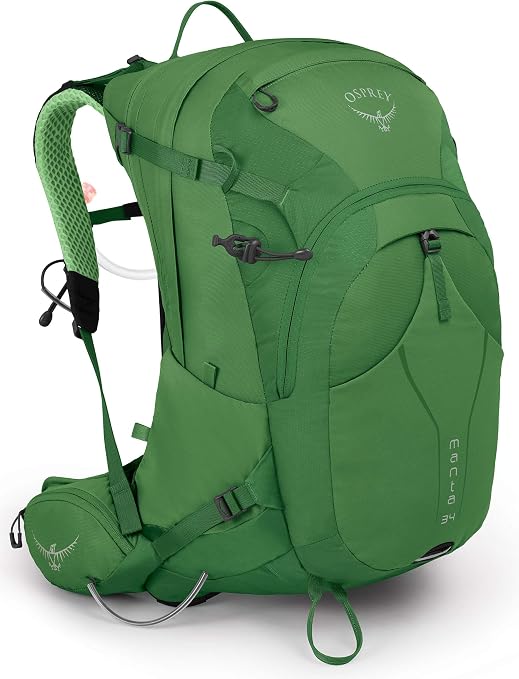
Osprey Manta 34 Hydration Pack Going Viral Among Mountain Biking Community
A pack starts earning trail talk when it solves boring problems without making the ride feel overpacked. The Osprey Manta 34 lands in that odd, useful middle ground: big enough for long U.S. trail days, organized enough for tools and layers, and airy enough for riders who hate a sweaty back. It is not a race vest. It is not a tiny park-lap bag. It is a hydration pack for riders who keep turning a two-hour loop into a half-day mission. For readers tracking outdoor gear news and buyer updates, practical gear coverage matters because the best buy is not always the newest bike part. Sometimes it is the piece that keeps water, snacks, rain gear, a shell, a mini pump, and repair pieces in the right place when the trail gets longer than planned. Mountain bikers are noticing this model because it behaves less like a bulky hiking bag than expected, yet it still carries more than most small ride packs.
Why the Osprey Manta 34 Works Beyond a Normal Hiking Daypack
The funny part is that this pack was not built only for riders. Osprey presents it as a men’s hiking hydration model with an AirSpeed suspension, an included Hydraulics LT 2.5-liter reservoir, a separate hydration pocket, magnetic bite-valve attachment, panel access, hipbelt pockets, and a raincover stored at the base of the pack. That hiking DNA is exactly why it has started to make sense for mountain bikers who ride farther from the parking lot. Bike-specific bags can be slim and sharp, but they often ask you to choose between water, repair gear, food, and weather protection. This one gives the rider more room to be honest. It also reminds buyers that “bike gear” is not a sacred category. If the shape, fit, and pocket layout work on trail, the label matters less than the result.
The 34-liter size changes the kind of ride you can plan
Most small ride packs work fine when the truck is close. A bottle, a plug kit, a snack, and a phone will cover a quick lap at a local trail center. The trouble starts when the plan stretches. Maybe the route outside Moab runs hotter than expected. Maybe a Pisgah loop turns muddy and slow. Maybe a friend cracks a derailleur hanger five miles from the car.
That is where volume earns its place. REI lists the pack with 34 liters of gear capacity, an included reservoir, a raincover, seven exterior pockets plus the main compartment, and a weight of 3 pounds 8.64 ounces. Those numbers matter because a mountain biking pack has to carry awkward items, not only soft clothing. A shock pump, tube, mini pump, compact first-aid kit, food, thin insulation layer, water filter, and wind shell each want a different pocket or corner.
The non-obvious win is restraint. Larger capacity does not mean you should fill every inch. On a bike, the better move is to pack the dense items low and close, then leave some space. Empty space keeps the bag from bulging against your helmet, catching branches, or turning into a hard block when the trail points down.
On group rides, that spare room can also make you the rider who saves the day without acting like a rolling repair shop. One extra tube for a friend, a small rain layer, and a proper snack can turn a bad pause into a short reset. That is not glamorous, but it is the kind of detail riders remember.
Airflow matters more when your back is bent over bars
A sweaty back is annoying on a hike. On a bike, it can change how you ride. When your torso is tipped forward and your shoulders are working, heat sits under a bag faster. That is why the AirSpeed design is the feature riders talk about after the first climb, not the reservoir.
Osprey describes the suspension as a LightWire perimeter frame with tensioned mesh that supports the load while creating cooling airflow. On paper, that sounds like backpack talk. On singletrack, it means the pack is not glued flat to your shirt during a grinding fire-road climb. It will not make August in Arkansas feel cool, but it gives heat somewhere to go.
There is a tradeoff. A trampoline backpanel can hold the load slightly away from your spine. That can feel odd during steep, technical moves if the bag is packed high. The fix is not to cinch every strap until breathing feels tight. The fix is smarter packing and a hipbelt that carries some load before the shoulders start complaining.
Fit also changes once a rider gets tired. Early in a ride, you may ignore a shoulder strap that is a little off. After two hours of climbing, that same strap starts pulling your neck and changing your posture. A ventilated pack still needs a careful fit check before the trailhead photo.
Why Mountain Bikers Are Looking Past Smaller Ride Bags
A small bag feels fast in the store. It also feels smart because nobody wants to look like they brought a hiking setup to a bike ride. But trail conditions do not care what looks tidy on a product wall. The longer the route, the more a rider needs storage that can handle bad weather, lost calories, and small mechanical drama without making every pocket a puzzle. The shift here is not about carrying more for the sake of more. It is about carrying the right items without turning your back into a junk drawer.
When a mountain biking pack needs more than water
The best argument for this pack is not the water tube. Most riders already know how to drink while moving. The better argument is what happens around the water. A ride in Sedona can start cool, heat up fast, and still demand a light layer for the drive back from a shaded canyon. A Bentonville day can shift from smooth flow trails to rocky connectors and a rain threat before lunch.
That is when a larger trail hydration backpack makes sense. You are not carrying camping gear. You are carrying options. A spare layer, small tool roll, bacon-strip plug kit, CO2, pump, tire lever, chain link, snack bag, ID, keys, compact medical kit, and phone all need to live somewhere reachable. Cramming that into a tiny bag can work, but it often turns every stop into a yard sale.
The counterintuitive part is that bigger can feel calmer. A tight bag makes you dig. A roomier bag lets you assign zones: tools low, soft goods in the main space, food near the top, phone and keys away from wet gear. On a rough trail, organization saves more energy than riders admit.
It can also reduce bad decisions. Riders skip food when it is buried. They ignore a loose cleat when the tool is hard to reach. They push through weather because the shell stayed in the car. The right storage makes the wise choice easier, and that matters when legs are tired.
Stability depends on packing, not only straps
A common mistake is judging a pack by shaking it empty. Empty bags lie. They feel light and balanced because nothing inside is fighting gravity. Load it badly, and even a well-made bag will sway. Load it well, and a larger hiking-shaped pack can ride with more manners than expected.
Dense items belong close to your back and lower than your shoulder blades. Soft layers can sit farther out. Snacks and phone items belong in quick pockets. The hipbelt should carry weight before the shoulder straps take over. That setup matters more than yanking the sternum strap until the chest feels locked.
For a mountain biking pack, the goal is not zero movement. That is unrealistic once you add water. The goal is predictable movement. If the bag shifts the same way every time, your body learns it. If tools roll around inside, every rock garden feels worse than it should.
One habit helps: do a short driveway bounce test before leaving. Hop, twist, crouch, and reach as if you are saving a front wheel in a rut. If something clunks, fix it before the ride. The trail will not make a loose load better.
The Gear Details That Make It Ride-Ready
The reason riders notice this model is not one magic part. It is the mix. The reservoir is included. The backpanel vents. The raincover is already there. The hipbelt pockets keep small items close. The side pockets and front shove-it pocket add quick access. None of that sounds dramatic, which is the point. Good trail gear often works by removing tiny annoyances before they stack up. A rider may not praise a key clip or hose magnet at the trailhead, but those little pieces can keep a stop from becoming a search party.
The included reservoir saves a separate purchase
A hydration pack can look cheaper until you realize the bladder is sold apart. Here, the included 2.5-liter reservoir gives the buyer a working setup from day one. Osprey’s product page lists a Hydraulics LT reservoir with QuickConnect, a separate hydration compartment, hose routing, HydraClip hanging, and a magnetic bite-valve attachment. Those details matter because small water-system frustrations get old fast.
QuickConnect helps when filling or cleaning. Separate storage helps keep the reservoir from fighting tools and clothing. The magnetic bite valve keeps the hose from swinging around during trail chatter. None of this wins a ride by itself.
Together, it lowers friction. You drink more when the hose is where your mouth expects it. You refill faster when the bladder does not require a wrestling match. You clean it more often when taking it out is simple. That is dull gear logic, and dull gear logic is often what saves a long ride.
The 2.5-liter size is also a smart middle point. It carries more than a tiny bladder, yet it does not force the bulk of a full three-liter setup on every ride. Riders who sweat hard can still add a bottle, but many will find this enough for cool mornings and moderate loops.
Pockets can prevent trail-side chaos
A messy bag is not only irritating. It can cost time, food, and focus. Riders often pack before coffee, then wonder why the tire plug kit is buried under a rain shell at the first stop. The Manta line’s layout helps because it gives you a set of natural homes: hipbelt pockets for snacks, a top pocket for small items, a front pocket for organization, side pockets for bottles or quick gear, and a main panel opening for larger items.
Think about a four-hour ride on mixed singletrack. You want one bar in the hip pocket, one in reserve, tools low, extra layer in the front shove-it zone, phone away from the reservoir, and keys clipped where they cannot vanish. That is not overthinking. That is the difference between a fast pause and a cold, awkward dig in the dirt.
The odd insight here is that too many pockets can be bad if they are tiny and random. The useful version is not pocket count. It is pocket memory. After two rides, you should know where every item lives without looking.
The raincover adds another quiet advantage for U.S. riders in places where storms build fast. It will not replace dry bags for electronics, and nobody should treat it like magic. But having it packed from the start means you are less tempted to gamble when clouds start stacking over the ridge.
Where It Fits, Where It Does Not, and How to Buy Smart
No bag deserves blanket praise. The same traits that make this one attractive for long rides can make it wrong for short, hard efforts. A rider doing lift-access downhill laps may prefer body armor and a smaller water setup. A cross-country racer may want bottles on the frame and almost nothing on the back. The right buyer is the rider who leaves the trailhead with a loose plan and ends up exploring. The wrong buyer is chasing storage because it feels prepared, while still riding the same one-hour loop each week.
Best use cases for U.S. trail riders
This is strongest for long day rides, mixed hike-bike routes, hut-style trips, desert loops, and cool-weather riding where layers matter. It also fits riders who guide friends, carry extra repair bits, or ride places with weather swings. A fall ride in Colorado can ask for gloves, snacks, a warm layer, rain shell, and water before noon. A summer ride in Arizona can make spare water feel less optional.
Public-land riders should also think beyond comfort. The National Park Service Ten Essentials list includes water, extra food, navigation, illumination, first aid, sun protection, repair gear, and extra clothes among the items outdoor travelers should plan around. A bigger pack will not make anyone safer by itself, but it removes the excuse that there was no room.
Hydration deserves the same sober view. The CDC says water helps prevent dehydration, which can affect thinking, mood, overheating risk, constipation, and kidney stones. On a bike, foggy thinking shows up as bad line choice, late braking, and poor pacing. That is why water access is not a side feature. It is part of ride quality.
It also fits the rider who hates stuffing jersey pockets until they sag. Some cyclists prefer the clean feel of bottles and pockets, and that is fair. Others want one packed system they can grab after work. For that second rider, a larger bike hydration backpack can reduce forgotten items.
Who should skip it
This is not the right call for every rider. If your normal ride is a one-hour loop with bottle cages and a repair strap, this pack may feel like too much. If you hate anything on your back, no suspension system will change your personality. If you ride tight jump lines or aggressive enduro trails, a lower-volume bike-first design may stay closer to the body.
There is also the price question. A premium bag only makes sense when the features solve problems you already have. Buying extra capacity for a fantasy ride is how closets fill with expensive gear. Before buying, write down what you carry on your longest monthly ride. Then add the items you wish you had the last time something went wrong.
That little test tells the truth. If the list includes water, tools, spare clothes, food, first aid, rain gear, phone, keys, and repair pieces, a trail hydration backpack with more structure starts to make sense. If the list is water and a snack, save the money or look smaller. For related planning, add this to your mountain biking accessories checklist and compare it against a trail gear buying guide before you publish or purchase.
Sizing deserves the same care as capacity. Try it with weight inside, not flat on a hanger. Wear the jersey or jacket you ride in. Tilt forward, turn your head, and check whether the upper pack hits your helmet. A deal is only a deal if the fit works after the first climb.
Conclusion
The best trail gear does not beg for attention. It fades into the ride until a problem appears, then it proves why it came along. That is the real reason the Osprey Manta 34 is getting attention from riders who want more than a tiny water bag. It gives space for the kind of ride Americans keep planning now: longer loops, mixed terrain, sudden weather, and less patience for flimsy storage. It is not the lightest answer. It is not the best answer for racing or short park laps. But for the rider who wants water, order, back ventilation, and room for honest safety gear, the pack has a strong case. The real test is simple: if a bag helps you ride farther with fewer stops and less mental clutter, it has earned its space. Buy it only if your rides have outgrown your current setup. Pack it with discipline. Keep the heavy items low. Then let the bag do its quiet work while you focus on the line ahead.
Frequently Asked Questions
Is this pack good for mountain biking?
Yes, for long trail rides, mixed routes, and riders who carry extra layers, tools, food, and water. It is less ideal for racing, jump trails, or short loops where a small waist pack or bottle setup feels better.
How much water does the included reservoir hold?
The included reservoir holds 2.5 liters, which suits longer rides better than many small packs. Hot climates, long climbs, or remote routes may still call for backup water or a filter, depending on the ride plan.
Is a 34-liter hydration pack too large for biking?
It can be too large for short rides, but not for long days with weather swings or repair gear. The key is packing light within the space instead of filling it because the room exists.
What should I carry in a bike hydration backpack?
Carry water, snacks, phone, ID, keys, tire repair pieces, multi-tool, pump or CO2, spare tube, quick link, small first-aid kit, and a layer. Add sun protection or rain gear when conditions call for it.
Does the ventilated backpanel help on hot climbs?
Yes, the suspended mesh design helps create airflow between your back and the pack. It does not remove heat from hard climbing, but it can reduce that soaked-shirt feeling during long, steady efforts.
Can this replace a frame bag for bikepacking?
It can help on light hut-style trips or short bikepacking routes, but heavy gear belongs on the bike when possible. Keep sleeping gear, cooking pieces, and dense cargo in bike bags for better control.
Is this better than a small MTB-specific pack?
It depends on your ride style. A small MTB-specific pack feels better for fast local laps. This model makes more sense when you need room for water, tools, food, layers, and safety items.
What is the smartest way to pack it for singletrack?
Place tools and dense items low and near your back, then use soft layers to fill outer space. Keep food and phone in quick-access pockets. Tighten the hipbelt first, then adjust shoulders and sternum.