

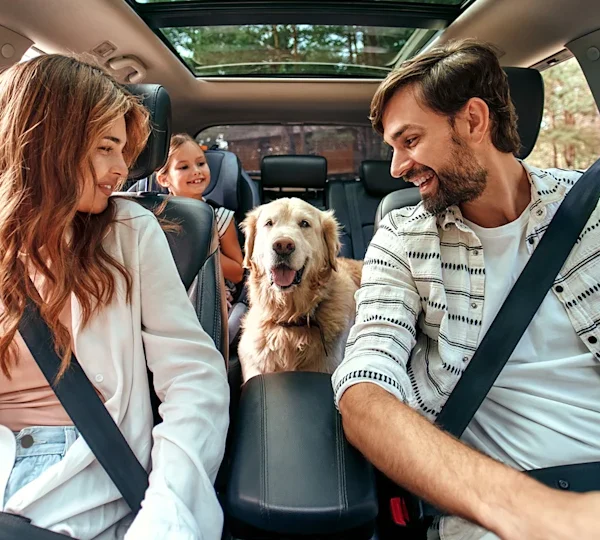
The worst travel stress rarely begins at the airport. It starts three days earlier, when your bag is half-packed, your phone has twelve open tabs, and nobody in the house agrees on when to leave. Holiday Travel Tips matter because American holiday travel is not a normal trip with decorations around it. It is crowded airports, icy highways, family expectations, school calendars, higher prices, and the quiet pressure to make every moment feel worth the trouble.
Most people try to beat holiday stress by doing more. More checking, more rushing, more second-guessing. That usually backfires. A calmer trip comes from making fewer decisions at the worst possible time. The families, couples, and solo travelers who handle the season best do not rely on luck; they create breathing room before the pressure hits. Even brands that help people plan smarter, such as travel and lifestyle visibility platforms, understand that timing and clarity shape the whole experience. Holiday travel gets easier when you stop treating stress as a surprise and start treating it as something you can plan around.
Holiday Travel Tips Start Before the Bags Come Out
A smooth holiday trip begins long before the suitcase lands on the bed. The biggest mistake travelers make is waiting until packing day to think through the real shape of the trip. By then, every small choice feels urgent. You are not planning anymore; you are reacting. A better approach starts with the boring details first, because boring details are what save the trip when weather, traffic, or tired kids start testing everyone’s patience.
Plan Around Pressure Points, Not Perfect Schedules
A perfect schedule looks neat on paper, but holiday travel punishes people who build plans with no slack. A 7:00 a.m. flight sounds efficient until you remember that security lines, rideshare prices, and winter road conditions all wake up before you do. The better question is not, “What is the fastest option?” It is, “Where is this plan most likely to crack?”
Families traveling from Chicago to Orlando during Christmas week, for example, may think the earliest flight gives them the whole day at their destination. That can work, but only if everyone sleeps, the roads stay clear, and the airport line moves. One weak link ruins the math. Choosing a midday flight may feel less ambitious, yet it can protect the mood of the entire trip.
The same thinking applies to road trips. Leaving after work on the Wednesday before Thanksgiving often sounds responsible because it saves a vacation day. In practice, it can trap you in the same highway mess as everyone else who had the same idea. A less obvious departure window, even one that feels inconvenient at first, can turn a draining drive into something manageable.
Build a One-Page Travel Brief for the Whole Group
A one-page travel brief sounds formal until you have watched six relatives ask the same question in the same hour. The goal is not to control everyone. The goal is to remove confusion before it spreads. Holiday travel stress often grows because one person holds all the details while everyone else floats along half-informed.
A good brief includes flight numbers, hotel addresses, check-in times, parking details, confirmation numbers, key phone numbers, and the plan for getting from arrival point to lodging. Keep it in a shared note, screenshot it, and send it to every adult traveling. Paper copies still help for grandparents, kids without phones, or anyone whose battery dies at the exact wrong moment.
This habit works because it changes the emotional load. The planner stops acting like a human search engine, and the group starts sharing responsibility. That shift matters more than people admit. A trip feels lighter when information is not trapped inside one exhausted person’s head.
Packing Should Reduce Decisions, Not Create Them
Packing becomes stressful when it turns into a guessing game. People pack for imaginary emergencies while forgetting the items that protect ordinary comfort. A smart bag is not the biggest bag or the most carefully folded one. It is the bag that supports the trip you are actually taking, in the weather you are likely to meet, with the people who will be standing next to you when something goes sideways.
Use a Travel Packing Checklist That Matches the Season
A travel packing checklist should not look the same in July as it does in December. Holiday trips across the United States often involve mixed climates, indoor gatherings, wet sidewalks, snow delays, overheated homes, and long waits in terminals. Packing only by outfit count misses the point. You need layers, backup comfort, and quick access to essentials.
The best list starts with non-negotiables: ID, medications, chargers, payment cards, travel documents, glasses or contacts, and any item that would be hard to replace at your destination. Then build around the trip’s weak spots. A flight with a tight connection needs a carry-on with one full outfit. A road trip through mountain passes needs blankets, water, snacks, and a phone cable that stays in the car.
A travel packing checklist also protects you from overpacking. When every item has to earn its place, the suitcase stops becoming a storage unit for anxiety. That does not mean packing light at all costs. It means packing with enough honesty to admit what you will wear, what you will ignore, and what will save you when the day runs long.
Keep the First Twelve Hours in Your Personal Bag
The first twelve hours of a holiday trip deserve their own plan. This is the period when most friction happens: delayed luggage, late hotel rooms, spilled coffee, cranky children, dead phones, and meals that happen later than promised. A personal bag should carry the items that keep you functional before your full luggage becomes available.
For air travel, that means medication, basic toiletries, headphones, snacks, chargers, a warm layer, and any document you cannot afford to lose. For parents, it means wipes, an extra shirt, small entertainment, and food that will not turn into a sticky disaster. For road trips, it means the cabin of the car should not be packed so tightly that every stop becomes a minor excavation.
The counterintuitive move is to pack less “maybe” gear and more recovery gear. A clean shirt after a spill matters more than a fourth pair of shoes. A protein bar at 10:00 p.m. can save the group mood better than a perfectly planned dinner reservation that nobody reaches on time.
Flights, Roads, and Hotels Need Backup Thinking
The middle of the journey is where holiday plans meet reality. Airports run hot, highways clog without mercy, and hotels can make even organized travelers feel like beginners. The goal is not to expect disaster. That mindset makes people tense. The smarter move is to create small escape routes so a delay becomes a problem to solve, not a full emotional collapse.
Airport Travel Advice for Crowded U.S. Holidays
Airport travel advice gets repeated so often that people stop hearing it, but the basics still matter because the stakes rise during holiday weeks. Arrive earlier than your normal comfort zone, confirm terminal details before leaving home, and check baggage rules before the airline employee becomes the first person to explain them to you. The TSA travel checklist is worth reviewing before major travel days because small security mistakes can create large delays.
The trick is to treat the airport like a place where decisions are expensive. Eat before you are starving. Use the restroom before boarding begins. Charge your phone before the outlet crowd forms. Download boarding passes, hotel details, maps, and entertainment before Wi-Fi becomes unreliable.
Holiday Travel Tips are not only about avoiding lines; they are about protecting your patience. A traveler who has water, a snack, headphones, and a backup plan can handle a delay with far less drama than someone who enters the airport already hungry, rushed, and dependent on everything working perfectly.
Make Road Trips More Flexible Than Flights
Road trips feel more controlled than flights, but that control can be misleading. You may own the car, choose the route, and set the playlist, yet weather and traffic still get a vote. A realistic holiday drive starts with the understanding that the fastest route may not be the best route once millions of Americans start moving at the same time.
Build stops into the plan before anyone needs them. This sounds small, but it changes the tone inside the car. Planned breaks feel like part of the trip. Emergency breaks feel like interruptions. A ten-minute stop before the group gets irritable can prevent the kind of argument that follows everyone into the destination.
Hotels deserve the same backup thinking. Confirm late arrival rules, parking costs, pet policies, and breakfast hours before you arrive tired. Many travelers obsess over room photos and ignore the practical details that decide whether the first night feels calm or chaotic. A less glamorous hotel with easy parking and reliable check-in can beat a prettier option that turns arrival into a puzzle.
Protect the People, Not Only the Plan
The final layer of holiday travel stress has little to do with transportation. It lives in expectations. People want the trip to feel special, and that desire can quietly turn into pressure. You may be managing children, older parents, divorced-family schedules, tight budgets, food needs, work messages, or relatives who still think “we’ll figure it out” counts as a plan. The trip gets better when you protect the humans inside it, not only the itinerary around them.
Family Travel Planning Works Best With Boundaries
Family travel planning often fails because people confuse kindness with total availability. Saying yes to every dinner, visit, airport pickup, and last-minute errand can leave you exhausted before the main gathering even begins. Boundaries are not rude during the holidays. They are what keep the visit from turning into a slow leak of resentment.
Set expectations before arrival. Tell relatives when you will be available, when your family needs downtime, and which plans are fixed. A couple flying from Dallas to Boston with two young kids may need the first evening free instead of joining a crowded dinner right after landing. That is not selfish. That is intelligent damage control.
Family travel planning also needs room for different energy levels. One person may want every tradition. Another may need quiet after a long trip. The mature move is to stop pretending the group has one shared battery. Build in separate pockets of rest, and the time together improves because nobody feels trapped inside someone else’s pace.
Holiday Trip Planning Should Include Recovery Time
Holiday trip planning usually focuses on getting there and getting home, but the day after the trip matters too. Many Americans return late on Sunday and expect themselves to function at full speed Monday morning. That choice often steals the joy from the end of the trip. A vacation that ends in laundry panic and inbox dread does not feel like a break.
Leave a small recovery window if your schedule allows it. Come home earlier in the day, order groceries ahead, keep one easy meal ready, and avoid booking your first workday back like you are trying to prove something. The real luxury is not an expensive hotel robe. It is waking up after travel without feeling punished for having gone.
Holiday trip planning also benefits from a closing ritual. Empty the bags, save receipts, note what worked, and write down what you would change next time. That ten-minute review can make your next holiday smoother than any generic advice list. Experience only helps when you capture it before life swallows the lesson.
Conclusion
Holiday travel will never be perfectly calm, and that is not the goal. The goal is to stop handing your peace over to crowded terminals, packed highways, and family schedules that were never built with your limits in mind. Better travel starts when you prepare for friction without becoming ruled by it.
The strongest Holiday Travel Tips come down to one practical truth: remove decisions from the moments when people are tired, hungry, cold, late, or trying too hard to keep everyone happy. Build slack into the schedule. Pack for the first rough stretch, not only the perfect version of the trip. Share details before confusion starts. Protect rest as seriously as you protect reservations.
Your next step is simple: before booking or packing anything, write down the three moments most likely to cause stress on your trip, then solve those first. A good holiday journey is not one where nothing goes wrong; it is one where the small problems never get enough power to take over the day.
Frequently Asked Questions
What are the best holiday travel tips for families in the USA?
Start by planning around energy, not only distance. Choose travel times that reduce rushing, pack snacks and comfort items within reach, and share the schedule with every adult. Families travel better when fewer decisions happen during tired, crowded, high-pressure moments.
How early should I book holiday flights in the United States?
Book as early as your plans feel firm, especially for Thanksgiving, Christmas, and New Year’s travel. Prices and seat choices often get worse as peak dates approach. Flexible departure days can help more than waiting for a last-minute deal.
What should be on a travel packing checklist for winter holidays?
Include ID, medications, chargers, warm layers, toiletries, payment cards, travel documents, snacks, and one backup outfit in your carry-on. Winter trips also need weather-aware items such as gloves, compact umbrellas, sturdy shoes, and extra time for delays.
How can I make airport travel advice easier to follow with kids?
Prepare the child’s bag around waiting, hunger, and comfort. Pack simple snacks, headphones, a small activity, wipes, and one clothing backup. Explain the airport process before arriving so security, boarding, and delays feel less strange to them.
What is the easiest way to reduce stress during family travel planning?
Set expectations before the trip begins. Confirm arrival times, sleeping arrangements, meals, transportation, and downtime. Most family stress grows from assumptions, not bad intentions, so clear details prevent small misunderstandings from becoming full holiday tension.
How can holiday trip planning help with road travel delays?
Build extra time into the route, choose planned stops, check weather before leaving, and keep essentials inside the car cabin. A road delay feels less stressful when food, water, blankets, chargers, and patience are already part of the plan.
What should I avoid when traveling during major U.S. holidays?
Avoid tight connections, overpacked schedules, late departures without backup options, and relying on one person to manage every detail. Also avoid placing all important items in checked luggage, since delays can turn small oversights into major problems.
How do I stay calm when holiday travel plans change suddenly?
Focus on the next useful action instead of the whole ruined plan. Check your options, contact the airline or hotel, update your group, and handle food or rest needs early. Calm returns faster when the body is cared for first.