
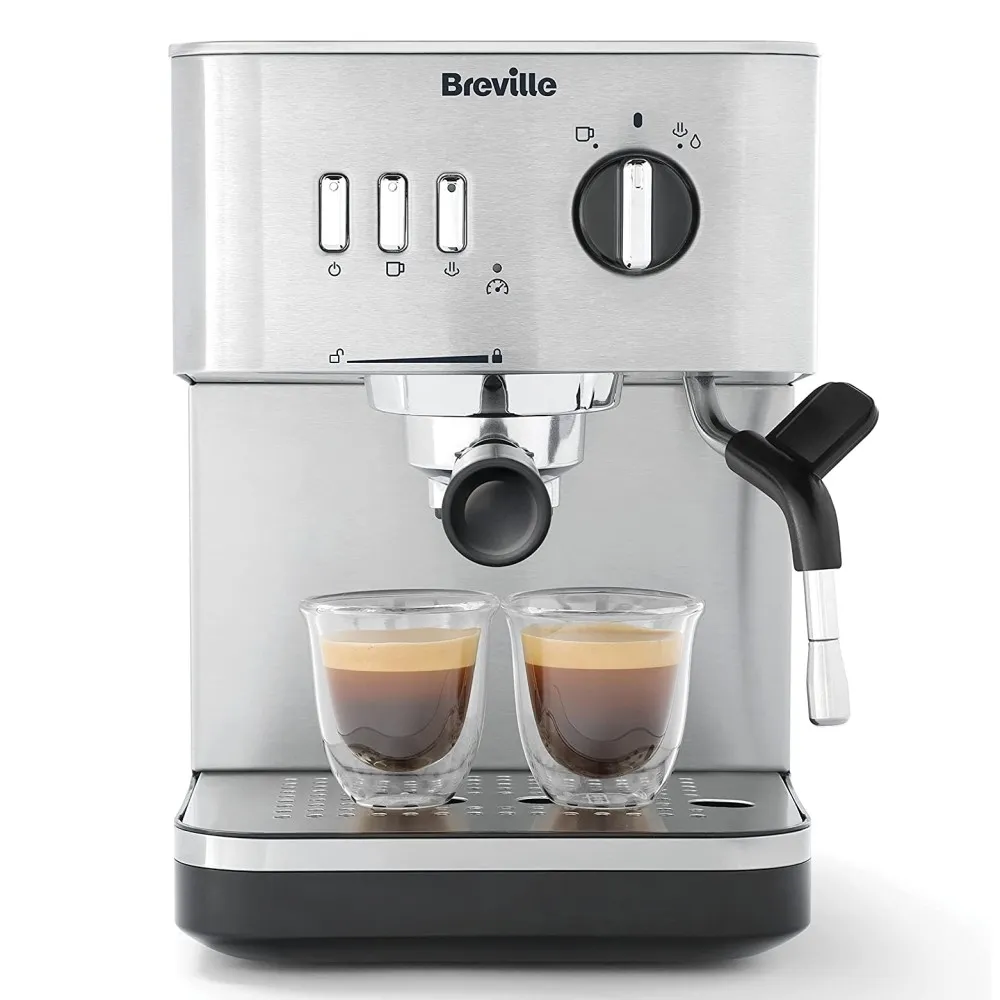
A low-price espresso deal can be a gift, a trap, or something in between. The Breville Bijou Espresso Machine sits in that tense middle, which is why this sale deserves more than a quick add-to-cart glance. For U.S. shoppers, the appeal is obvious: café-style coffee at home without paying the price of a premium Breville Barista model. That promise hits harder when grocery prices, drive-through coffee runs, and kitchen counter space are all fighting for the same household budget. Good consumer deal reporting matters here because the lowest sticker price does not always mean the best buy. You still need to ask what kind of espresso life this machine fits. The Bijou is built around a more hands-on rhythm: dose, tamp, pull, steam, clean, repeat. That can feel rewarding if you like learning. It can feel tiring if you want one-button lattes before work. The smart move is not to chase the discount. It is to decide whether this machine matches your patience, counter space, and coffee habits.
Why This Sale Has Coffee People Paying Attention
The buzz around this deal makes sense because budget coffee gear lives in a strange place. Buyers want a real espresso experience, but they do not want the price, size, or learning curve of a full prosumer setup. That tension is where the Bijou becomes interesting. It looks like a doorway into better coffee, not a full remodel of your morning. Still, the discount only matters if the machine solves the right problem. A sale can lower the risk, but it can also lower your guard. That is where many coffee purchases go wrong. The right question is not whether the deal looks rare. The right question is whether you will still want to use the machine after the new-box excitement fades. Coffee gear has a way of making people buy a fantasy morning. The better test is plain: can you picture yourself rinsing the basket when you are tired?
The lower price changes the risk
When a manual coffee maker drops into a friendlier price band, the question shifts. You are no longer comparing it only with higher-end machines. You start comparing it with pod systems, drip makers, and the daily coffee shop habit that drains money in quiet little bites. That makes the deal feel less like a luxury purchase and more like a test of routine.
That is why this sale can pull in people who never planned to buy espresso gear. A college graduate in Chicago, a first apartment renter in Phoenix, or a remote worker in Tampa may not need a polished café station. They may want one decent cappuccino on a Saturday without spending half a paycheck on equipment. If the machine gets used three mornings a week, it can earn its space faster than a shiny gadget that sits untouched.
The non-obvious part is that a lower price can make you more honest. If you spend $800, you may convince yourself you love the process because the receipt hurts. At a lower buy-in, you can test whether grinding, tamping, steaming, and cleaning fit your life. That kind of trial has value. It tells you whether espresso is a hobby, a habit, or only an idea that sounded better during a sale.
Why American buyers should slow down first
The U.S. buyer has one extra layer to think about: support. Some Bijou listings appear through international sellers, and not every unit you see online will be built for the same plug, voltage, warranty path, or return rules. That is less exciting than crema. It matters more. A machine that cannot be returned easily can turn a smart cart decision into a long customer-service headache.
A bargain can become annoying fast if a return window is short, the seller is vague, or the listing hides key details near the bottom. Before you think about latte art, check the product page like a careful shopper. Look for voltage, shipped-from location, return shipping terms, and whether the seller handles warranty claims in the United States. The listing should answer those questions without making you hunt.
This is where the sale separates patient buyers from impulse buyers. The machine may make sense, but only when the listing makes sense too. A cheap espresso maker with a poor return path is not a deal. It is a chore with a receipt. For American shoppers, the safest deal is the one that still looks good after you read the dull parts.
Why the Breville Bijou Espresso Machine Deal Feels Different This Time
Breville has built a strong name in home coffee, especially among shoppers who want better control without turning their kitchen into a café lab. That brand pull makes any entry-level discount louder. Yet the Bijou should not be judged like a premium Breville machine. It is better seen as a compact training ground for people who want to learn the bones of espresso before paying for extras. That distinction matters because the wrong expectation can ruin a good purchase. If you expect a push-button café, you may be annoyed. If you expect a small workbench for learning, the value becomes easier to see.
Manual espresso rewards patience
A manual coffee maker asks more from you than a pod system. You have to care about grind size, dose, tamp pressure, water flow, and how milk behaves under steam. None of that is hard in the heroic sense. It is fussy in the morning sense. You can make a drink before work, but you may not want to learn a new technique while keys, shoes, and school bags are already in motion.
That fuss can be the whole point. When a shot runs too fast, you learn that the grind may be coarse or the puck may be loose. When milk turns foamy instead of silky, you learn that the wand position matters. These tiny failures teach better than a touchscreen ever could. The lesson arrives in the cup, which is why espresso practice sticks in a way a manual never does.
The counterintuitive truth is that a budget espresso machine can make you a better coffee drinker than a costly automatic one. The cheaper machine shows you the mistakes. A smarter machine hides them. For some buyers, seeing the mess is the education. That may sound like a flaw, but it is the reason many people end up enjoying the process.
The compact footprint matters in U.S. kitchens
Plenty of American kitchens have more gadgets than usable counter space. The blender sits near the toaster. The air fryer claims a corner. The knife block refuses to move. In that scene, a compact espresso unit has an edge because it does not demand a whole coffee bar. It can live under an upper cabinet or near the sink without becoming the biggest object in the room.
This matters in apartments, older homes, dorm-adjacent setups, and shared kitchens. A small footprint also lowers the friction of ownership. If a machine is easy to move, rinse, and tuck beside the sink, you are more likely to keep using it after the first week. The best appliance is often the one that does not need a negotiation every time you reach for it.
That sounds minor until you live with the thing. Many coffee purchases fail because the machine is too loud, too wide, too messy, or too slow for the space. The Bijou’s appeal is not only price. It is the chance to try espresso without letting a machine take over the room. For renters, that can matter as much as flavor.
What You Gain and What You Give Up
A deal can make a product look simpler than it is. Espresso gear is never only about specs. It is about the trade you make between control and convenience. The Bijou sits on the control side, but it does not give you the build, speed, or consistency of machines that cost far more. That is not a flaw. That is the category. The better way to judge it is to ask what jobs it can handle well and what jobs ask too much from its price class. A fair review starts there. So does a fair purchase. Think of it like buying a small skillet instead of a full cookware set. It can be useful every week, but only when you know which meals belong in it.
Budget espresso machine strengths that matter
The biggest strength is that you get the basic espresso ritual in a small package: portafilter work, pressured extraction, and milk steaming. That matters if you want to learn how drinks are built rather than press a capsule and wait. A budget espresso machine can make the process feel tangible. You see the puck, hear the pump, and learn by tasting what changed.
For a U.S. shopper trying to cut café spending, the math can feel friendly. Two coffee shop lattes a week can cost more than many people expect by the end of a month. If this machine helps you replace even some of those trips, the sale price starts to look less like a splurge and more like a kitchen habit shift. For more buying context, a page like entry-level coffee maker comparisons can help you weigh espresso against pod, drip, and cold brew options.
There is one catch. You also need coffee, maybe a grinder, a tamper, a milk pitcher, and cleaning patience. The machine may be the headline purchase, but the home espresso setup is a small system. Treat it that way and you will make better choices. Spending less on the machine does not mean the rest of the routine disappears.
Where the home espresso setup can frustrate you
This is not the machine for someone who wants a no-thought morning drink. If you hate mess, dislike measuring, or get annoyed when results change from one bean bag to the next, the Bijou may test you. Espresso rewards small adjustments. It punishes rushing. The same bean can taste flat one day and sharp the next if the grind, dose, or timing drifts.
Milk drinks add another layer. Steaming is half technique and half timing, and beginners often make stiff foam before they make glossy milk. That is normal. It is also why some owners use a machine less than expected after the first burst of excitement fades. The sink fills with a pitcher, a basket, a cup, and a cloth, and suddenly the café habit looks easier again.
The non-obvious tradeoff is emotional. A pod machine gives you sameness. A manual machine gives you ownership. Sameness is easier. Ownership feels better when you have the time for it. Pick the feeling you want on a Tuesday morning, not the one that looks best in a weekend review video. A practical small kitchen appliance buying guide can help you decide which kind of convenience you value most.
How to Buy It Without Regret
A good sale should make you careful, not careless. That sounds backward, but price drops can blur the small checks that protect you later. The best buyer is not the fastest buyer. It is the person who knows what would make the purchase fail before placing the order. For espresso gear, failure rarely comes from one dramatic issue. It comes from a cluster of small annoyances: odd plug, weak seller support, missing accessory, loud pump, tight counter space, or a routine that does not match your mornings. Solve those before the purchase, and the sale has a better chance of feeling good in a month. This is especially true for imported appliances, where the photo may look familiar but the ownership path may differ. The boring checks protect the fun part.
Check voltage, warranty, and returns before flavor
Start with the boring details. A machine that looks right in photos may not be right for a U.S. kitchen. Check whether the unit is made for 120V outlets, whether the plug fits without a risky adapter, and whether the seller accepts returns without painful shipping costs. Do not assume a listing is U.S.-ready because the checkout page accepts a U.S. address.
Warranty matters too. A machine tied to an overseas seller may leave you with fewer support options if a pump fails or a part arrives damaged. That does not mean you should avoid every international listing. It means you should read the terms before the sale clock pushes you. Screenshots of the listing can also help if a seller changes wording after purchase.
Then check the package contents. Look for portafilter type, filter baskets, tank size, steam wand notes, and any cleaning parts. A low price loses shine if you have to buy missing pieces before making your first drink. The first cup should teach you about coffee, not about poor listing details.
Match the machine to your coffee habits
Think about your week before you think about the machine. Do you drink straight espresso, Americanos, cappuccinos, or iced lattes? Do you have time to grind beans? Will you clean a steam wand after each milk drink? Your answers matter more than a discount badge. A person who drinks iced lattes on slow afternoons has a different use case than a parent who needs caffeine during the school rush.
A budget espresso machine is best for the person who wants to learn and does not mind a little trial. It is less suited to a household where three people need fast drinks before school and work. In that case, a pod system, drip brewer, or higher-end automatic may serve the home better. The right machine is the one that meets your actual pace.
There is also caffeine to consider. The U.S. Food and Drug Administration says most adults can stay within about 400 milligrams of caffeine per day, though people vary in sensitivity. Its FDA caffeine guidance is a useful reminder that making café-style drinks at home still calls for common sense. Better coffee should improve your day, not turn your afternoon into a shaky mess.
Conclusion
The best way to read this deal is not as a race. Read it as an invitation to be honest about how you drink coffee at home. Some buyers will see the discount and finally step into real espresso practice. Others will realize they prefer speed, repeatable results, and fewer dishes. Both answers are valid. The Breville Bijou Espresso Machine makes the strongest case for curious shoppers who want a hands-on machine without paying premium Breville money. It also asks for patience, and that part should not be ignored. For U.S. buyers, the wisest path is to check the listing details first, especially voltage, seller support, warranty, and returns. Then decide whether the process sounds fun after the first week. If it does, the sale may be worth taking. If it sounds like work you will dodge, keep your money for a machine that fits your real mornings. Buy for the routine you live, not the one you wish you had.
Frequently Asked Questions
How much should I pay for a Bijou espresso machine on sale?
A fair sale price depends on the seller, shipping cost, return policy, and whether the unit is new or used. Do not judge by sticker price alone. A slightly higher price from a safer seller can beat a cheaper listing with weak support.
Is the Bijou a good choice for beginners learning espresso?
Yes, it can suit beginners who want hands-on practice. It teaches dosing, tamping, shot timing, and milk steaming in a low-cost way. It is less ideal for someone who wants fast drinks with no learning curve.
Can U.S. buyers safely order this model from overseas sellers?
They can, but they should check voltage, plug type, warranty terms, and return shipping first. A machine made for another market may need extra caution. Avoid listings that hide electrical details or make support hard to confirm.
What grinder works best with a budget espresso machine?
A burr grinder with fine adjustment is the safest match. Espresso needs a consistent grind, and blade grinders often make uneven particles. You do not need a luxury grinder, but you do need one that can grind fine enough for pressured brewing.
Is a manual coffee maker better than a pod machine?
It is better for control, taste learning, and milk drink practice. A pod machine is better for speed and tidiness. Choose based on your mornings. People who enjoy process often prefer manual brewing, while rushed households may prefer pods.
What drinks can I make with this kind of espresso maker?
You can make espresso-style shots, Americanos, cappuccinos, lattes, and iced milk drinks if the machine includes a steam wand. Results depend on beans, grind, milk technique, and patience. The machine starts the process, but your routine shapes the cup.
Does a home espresso setup save money over coffee shops?
It can save money when you use it often and avoid buying too many extras. The savings shrink if you buy costly beans, extra tools, and still visit cafés daily. Think in monthly habits, not one dramatic purchase.
What should I check before buying an espresso machine deal online?
Check seller reputation, return window, warranty path, voltage, plug type, package contents, and shipping cost. Read recent reviews for delivery and defect complaints. A deal is only good when the machine arrives usable and you can return it if needed.