
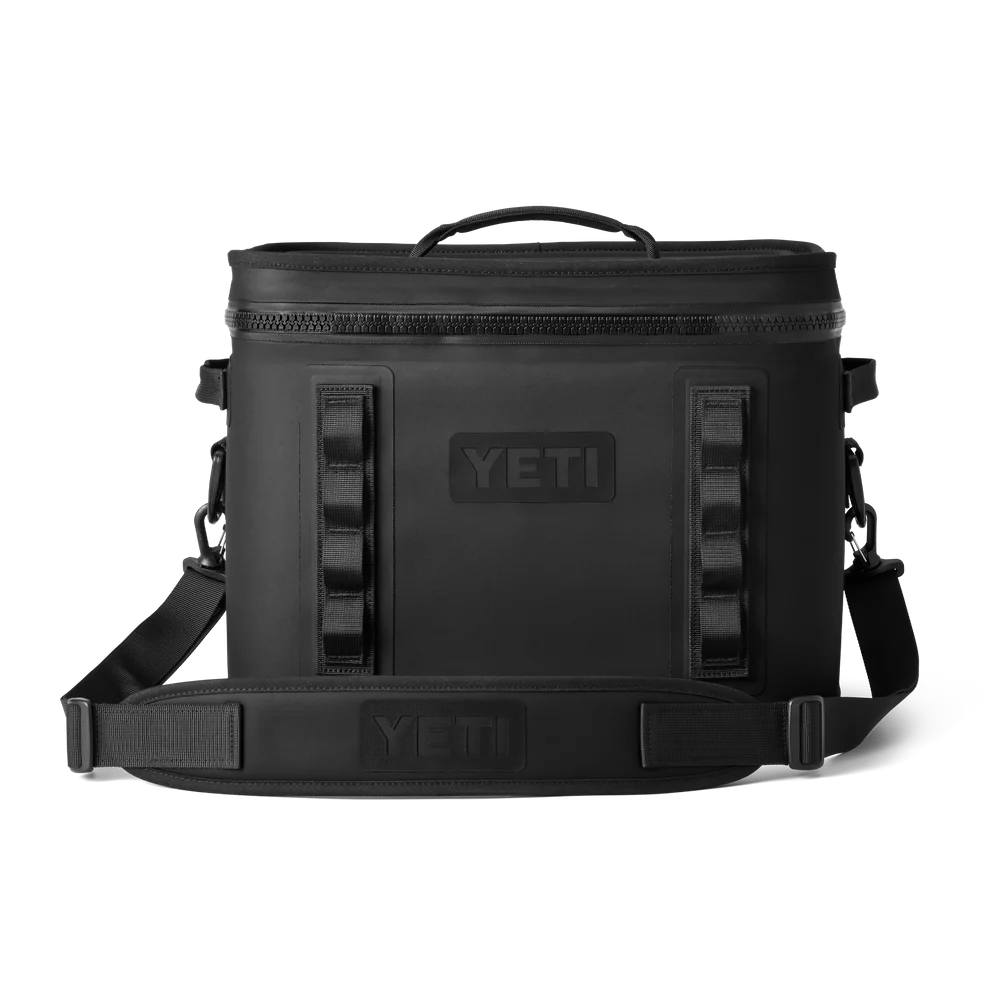
Summer gear has a way of exposing weak buys fast. The Yeti Hopper Flip is getting fresh attention because shoppers want a soft cooler that can handle beach days, lake weekends, youth sports, tailgates, and long rides without feeling like a hard chest they regret carrying by noon. The appeal is simple: this is the larger Flip model, built for people who need more room than a lunch cooler but still want shoulder-carry portability. YETI lists the Flip 18 at $300, with room for 30 cans or 28 pounds of ice, plus an empty weight of 4.5 pounds. That mix explains the current soft cooler restock interest. It sits in the middle of a common American summer problem: you need real cold storage, but you do not always need wheels, drain plugs, or a cooler that eats half the trunk. For readers tracking practical gear news through outdoor product updates, the real question is not whether this cooler looks premium. It does. The better question is whether the restock buzz matches how people use it.
Why the Yeti Hopper Flip Fits Peak Summer Trips
A good summer cooler earns its place before the ice even goes in. It has to fit the outing, the car, the person carrying it, and the food inside it. That is why this model keeps showing up in summer cooler demand conversations. It is not the biggest choice in YETI’s lineup, and that is the point.
The size works because it avoids the “too much cooler” problem
Hard coolers are great until the plan changes. A Saturday that starts as a beach day can become a boardwalk walk, a friend’s patio, or a last-minute stop at a park. A large chest handles ice well, but it also turns into furniture. You park it, then work around it.
The Flip 18 solves a different problem. It gives you enough room for drinks, sandwiches, fruit, and a few extras without making the cooler the main event. YETI’s own size guide lists the exterior at 17.7 by 11.5 by 12.8 inches and the interior at 14.6 by 8.7 by 10 inches. That shape matters. It is wide enough for a family snack load, but short enough to sit behind a car seat, on a boat bench, or under a folding table.
The non-obvious part is that smaller can feel more useful than larger. A cooler you can grab gets used. A huge one waits in the garage because someone has to “deal with it.” That small bit of friction decides what gear becomes part of your summer rhythm.
The restock timing makes sense for real American weekends
A soft cooler restock is not random when summer heat hits. June and July push people outdoors in waves: graduation parties, Fourth of July plans, camping trips, Little League tournaments, fishing mornings, and backyard cookouts. People who ignored cooler upgrades in spring start caring after one warm soda day.
Recent deal coverage also helped put this size back in front of shoppers. WIRED highlighted the Flip 18 during June 2026 Prime Day cooler deals at $225, noting that it has more room than a small cooler while staying manageable for a boat, bike, beach, or backyard. Deal attention does not prove a permanent shortage, but it can push buyers to watch stock more closely.
That is where summer cooler demand gets noisy. People are not only buying for one trip. They are buying because the next six weekends already have plans attached. A dad packing post-game drinks, a couple driving to Lake Travis, and a group headed to the Jersey Shore may all land on the same size for different reasons.
What Makes This Soft Cooler Different From Cheaper Bags
Price is the hard part. A $300 soft cooler has to defend itself against cheaper insulated bags that look close enough in photos. Many buyers hesitate there, and they should. The right way to judge this cooler is not by logo love. It is by abuse, cold management, and whether the design prevents the small failures that ruin a day.
The zipper and shell matter more than the badge
Cheap soft coolers often fail in boring ways. The zipper snags. The lining sweats. The shoulder strap digs in. The bag collapses when half full. The leak you notice is not dramatic; it is a wet cargo mat after a two-hour drive.
YETI says this model uses a leakproof build, DryHide shell, HitchPoint Grid, and a wide-mouth opening. The brand also says the shell is made from high-density fabric that resists punctures and UV rays. Those are not flashy traits, but they are the traits that matter when the cooler gets tossed onto a dock, dragged across sand, or wedged between camping bins.
The counterintuitive point: the zipper is part of the performance, but it is also part of the maintenance. YETI tells owners to clean debris from the zipper and apply a thin layer of lubricant to the top seal and teeth. That means this is not a carefree grocery tote. It is gear. Treat it that way, and it lasts longer.
Cold storage depends on how you pack it, not only what you buy
A premium portable ice chest cannot beat bad packing. Open it every ten minutes, bury the lunch under warm cans, or leave it in direct sun on asphalt, and you will lose cold faster. No brand can save that setup.
The smarter method is simple. Chill drinks before packing. Use more ice than you think. Keep snacks that must stay cold in their own section. Do not let raw meat share space with fruit unless it is sealed tight. The FDA advises keeping cold food at 40°F or below, using ice or frozen gel packs, keeping coolers closed, and separating beverage coolers from food coolers when people will open them often. You can also read the FDA outdoor food safety guidance before a long picnic or cookout.
This is where the Flip 18 makes sense as a food cooler instead of a giant drink bin. For a tailgate, keep this one for burgers, cheese, cut fruit, and condiments while a cheaper tub handles cans. That setup protects the food and cuts down on lid openings. It sounds fussy until nobody gets stuck eating warm potato salad.
Who Should Watch the Soft Cooler Restock Closely
Not every buyer needs this model. Some people are better served by a small lunch box, a backpack cooler, or a wheeled hard cooler. The soft cooler restock story matters most for shoppers who already know their old bag is underbuilt but do not want to jump into a heavy chest.
It is best for short-haul trips with real food
The Flip 18 shines when the walk is real but not brutal. Think beach parking lot to sand, marina to boat, driveway to neighbor’s cookout, or soccer field to shaded bench. You can carry it with one hand or shoulder it, then set it down without needing a flat loading zone.
That makes it a strong fit for American families who pack more than drinks. A couple of turkey wraps, grapes, cheese sticks, water bottles, sports drinks, and freezer packs can fill a smaller cooler fast. Add a few adult beverages for a late afternoon cookout and the lunch-size options start feeling cramped.
A good family camping packing list should treat cooler size as a planning choice, not an afterthought. Too small, and food gets smashed. Too large, and you waste ice cooling empty air. This model sits in the useful middle for day trips and overnight snack duty.
It is not the right answer for every outdoor plan
This cooler is not dry ice compatible. YETI says the airtight zipper would not allow proper ventilation and could create a dangerous pressure issue. That single detail removes it from some hunting, extended camping, and long-haul frozen food plans.
It also may not be ideal if you need to feed ten people for two full days. For that, a hard cooler still wins. You get more volume, a drain, better stacking options, and less worry about packing shape. A soft-sided cooler asks you to be more organized.
The non-obvious win is that limitations can help. When you know this is not a giant camp kitchen, you pack with more intent. Drinks in one place. Food in another. Ice sheets where they do the most work. Less chaos means fewer open-close cycles, and that helps cold retention.
How to Decide Before Buying During a Demand Spike
Restock buzz creates urgency, and urgency can make people sloppy. A cooler is not a sneaker drop. Missing one color is not the same as missing the right gear. Before you buy, look at your trips, your storage space, your carrying distance, and how often you pack food that must stay cold.
Compare the use case, not only the discount
A sale can make the wrong cooler look smart. During a demand spike, shoppers often chase the model that appears in deal roundups without asking whether it fits their life. The Flip 18 is a strong size, but it is still a shoulder-carry cooler. That matters if your beach walk is half a mile through soft sand.
Use a simple test. Picture your most common summer day, not your dream trip. If it is a backyard cookout, lake afternoon, boat ride, road trip lunch stop, or youth sports day, this cooler fits the pattern. If it is a weeklong campsite or a huge family reunion, you may need a hard chest instead.
A portable ice chest should remove stress from the outing. It should not become another item everyone avoids carrying. That is why the best buy is the one you will reach for often, even when the plan is small.
Check color, warranty, and storage before the checkout rush
Color sounds cosmetic, but it can affect how happy you are later. Bright seasonal colors are fun and easier to spot at a crowded beach. Dark colors hide dirt better in truck beds and garage corners. Neither choice is wrong. The wrong choice is paying extra for a color you picked in a panic.
Warranty also matters. YETI lists a three-year warranty for the Hopper soft cooler family. That does not mean you can abuse it without care, but it adds confidence when spending premium money. Keep the receipt, clean the zipper, and store it open after drying so trapped moisture does not become the next problem.
Before buying, read a summer road trip cooler guide and map out your real packing style. If you always bring ice, drinks, sandwiches, and fruit for four people, the Flip 18 makes sense. If you mostly carry two seltzers and a wrap, save the money.
Conclusion
The cooler market gets loud in summer because heat turns small gear flaws into big annoyances. A weak zipper, a soggy sandwich, or a bag that sweats through the trunk can sour a good day faster than most people expect. That is why the current attention around this model feels earned, even if shoppers should still avoid panic buying. The Yeti Hopper Flip is best seen as a premium day-trip cooler with enough room for serious packing and enough portability for plans that keep moving. It is not a full camp chest, and it is not meant to be. That narrower role is its strength. Watch the restocks, compare the deal to the official price, and buy only when the size fits your actual weekends. The smartest summer gear is not the piece people talk about most. It is the one you use without regret.
Frequently Asked Questions
How many cans fit in the YETI Flip 18 soft cooler?
YETI lists the Flip 18 as fitting 30 standard 12-ounce cans when packed without ice. For real trips, plan for fewer cans if you are adding food, freezer packs, or loose ice. Space disappears fast once lunch containers enter the mix.
Is the Flip 18 cooler worth buying for beach days?
Yes, if your beach setup includes drinks, lunch, fruit, and snacks for a small group. It is easier to carry than a hard chest, but still large enough for a full day. For long sand walks, consider total packed weight first.
What is the best use for this portable ice chest?
Day trips are the sweet spot. It fits boating, tailgating, youth sports, fishing mornings, short camping runs, and road trip food storage. It works best when you need cold storage that moves with you rather than a large cooler that stays parked.
Does the Flip 18 keep ice for multiple days?
YETI says its soft coolers have strong cold-holding power, but it does not give one fixed ice-retention time because conditions vary. Shade, pre-chilled contents, ice amount, outside heat, and how often you open the lid all change performance.
Can you use dry ice inside this soft cooler?
No. YETI says this soft cooler should not be used with dry ice because the airtight zipper does not allow proper ventilation. For dry ice use, choose a compatible hard cooler designed for that kind of pressure and cooling method.
Why is summer cooler demand higher for soft coolers?
Soft coolers fit the way many people travel in summer. They are easier to carry, easier to store, and better for quick plans than heavy hard chests. Beach days, boat rides, cookouts, and sports weekends all push shoppers toward portable designs.
How should I pack food safely in a soft cooler?
Keep perishable food cold with ice or frozen gel packs, limit lid openings, and separate drinks from food when possible. Raw meat should be sealed so juices cannot touch ready-to-eat foods. A small thermometer helps on hot days.
What should I check before buying during a soft cooler restock?
Check the official price, color availability, warranty terms, return policy, and whether the size matches your normal trips. Do not buy only because stock looks limited. A good cooler should fit your routine, your vehicle, and your carrying distance.