

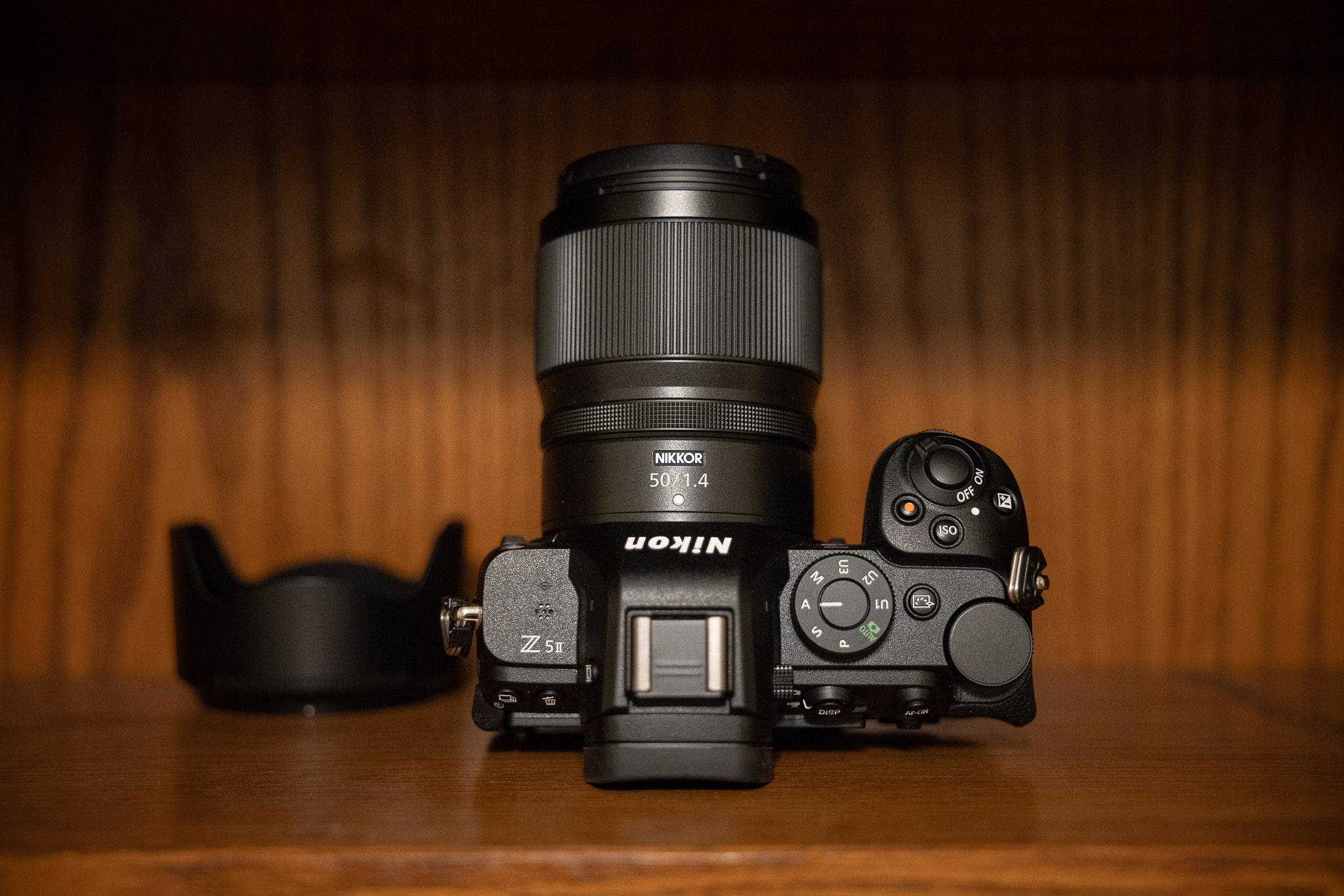
A good camera discount is not always about the dollar amount. Right now, the Nikon Z5 II is drawing attention because major U.S. retailers show the body around $1,596.95, down about $250 from listed pricing, while Amazon also shows $1,596.95 against a $1,849.95 list price. For shoppers who track gear through a U.S. consumer news lens, that matters because this is not an aging closeout body with tired specs. It is a recent full-frame mirrorless camera built for people who want better files, stronger autofocus, and a body they can grow into without paying pro-body money. B&H also lists a 24-50mm kit option at $1,696.95, which makes the entry point feel less punishing for first-time full-frame buyers. Prices can change fast, so the smarter question is not “Is this cheap?” It is “Does the camera still make sense after the first-sale excitement fades?” The answer is yes for many U.S. creators, family shooters, travelers, and side-hustle photographers who care more about keeper rate than bragging rights.
Why This Price Drop Feels Different for Everyday Shooters
Camera discounts can be noisy. One store cuts a kit by $100, another adds a memory card, and suddenly every listing sounds urgent. This drop feels different because it lands on a body that still sits in the current mirrorless conversation, not the back shelf. The tension is clear: buyers want full-frame image quality, but they also want rent, groceries, and a life outside camera payments.
The deal matters because the body is still fresh
The Z5II was not built as a stripped-down shell to hit a low tag. Its 24.5-megapixel FX-format sensor, EXPEED 7 processor, in-body stabilization, dual SD card slots, and 4K recording give it a working camera feel, not a beginner toy feel. Nikon’s own specifications list a full-frame sensor and 24.5 effective megapixels, while retailer listings point to features such as ISO 100-64000 and up to 30 fps shooting.
That matters for a parent shooting indoor basketball in Ohio, a wedding second shooter in Georgia, or a real estate photographer in Arizona who needs clean wide shots of dim rooms. The camera does not need to be the fastest model in the line to earn its place. It needs to remove enough friction that you bring it with confidence.
The launch context also helps explain the buzz. Nikon’s U.S. announcement in April 2025 placed the body-only suggested retail price at $1,699.95, with kit pricing higher. A current retail number below that launch point gives buyers a clean comparison, not a vague “sale” sticker with no memory behind it.
Here is the non-obvious part: a lower price can make a better photographer out of the right buyer. Not because savings improve talent, but because leftover money buys the lens, card, strap, spare battery, or editing monitor that turns a body into a system. A full-frame mirrorless camera alone is only half the purchase.
U.S. buyers are judging the full kit, not the headline
The body-only number gets attention, but most Americans buying into the Z mount should think in kit math. A $1,596.95 body is different from a $1,596.95 body plus a lens you do not own, a fast SD card, a bag, and sales tax. That is where a smart Nikon camera deal either holds up or falls apart.
For someone coming from a crop-sensor DSLR, the 24-50mm kit can be a practical start. It is small, easy to pack, and wide enough for travel days. It will not give you creamy portraits or dark-room magic, but it lets you learn the body before spending more.
Used gear also enters the picture. A fresh discount on a new body can pull used prices down, yet a used body may still lack a full warranty, return window, or clean battery history. For a buyer spending hard-earned money, that safety net can be worth more than a tiny used-market savings.
There is also a timing reason this deal feels stronger than a holiday throwaway. Summer trips, senior-photo season, and fall school events sit close enough on the calendar that buyers can use the camera soon. Gear bought for a clear project tends to teach faster than gear bought for a vague someday.
A quieter insight sits here: the cheapest path is not always the body-only path. If you already own Z lenses, body-only makes sense. If you own F-mount glass, an adapter may stretch your budget. If you own nothing, the kit may keep you shooting sooner. A camera that stays in a box while you wait for a lens is not a bargain.
Why Nikon Z5 II Makes Sense at This Price
The better deal story is not only the cut from list pricing. It is the balance between what this body gives you and what it does not pretend to be. The camera sits in the entry-level full frame lane, but it borrows enough behavior from higher models to feel serious in daily use. That is the sweet spot for buyers who have outgrown phone photos but do not want a pro body hanging over every decision.
Autofocus is the upgrade casual buyers may feel first
Autofocus specs can sound cold until you miss the shot. Then they become personal. The Z5II’s subject recognition and low-light focus story are central to why this sale has legs. B&H describes subject recognition AF and low-light gains, while Nikon’s page frames the body around full-frame quality, in-body stabilization, and autofocus for both stills and video.
Think about a child running through a shaded backyard at sunset. The old camera hunts. The phone blows out the sky. The new body finds the face, steadies the frame, and gives you a file you can crop without shame. That is not a lab win. That is the picture you keep.
The camera also gives newer shooters a better chance to understand timing. When focus tracking behaves, you can pay attention to expression, hands, light, and background instead of fighting a blinking focus box. That changes the learning curve. You begin to study pictures instead of blaming the gear.
The counterintuitive part is that beginners may benefit from stronger autofocus more than experts do. A pro can work around weak focus with timing, technique, and anticipation. A newer shooter needs the camera to rescue them while they learn. That support has real value.
The sensor gives room to grow without chasing hype
A 24.5-megapixel full-frame sensor is not the loudest spec in 2026. That is part of the appeal. It gives enough resolution for family prints, client galleries, social content, product photos, and modest crops without punishing you with huge files every time you press the shutter.
The official Nikon specifications list a 35.9 x 23.9 mm CMOS sensor and 24.5 effective megapixels, which places this body in the practical middle of modern full-frame shooting. That is often where the best buys live.
A landscape shooter may want more pixels. A sports shooter may want a faster body. A video-first creator may want higher-end recording tools. Yet the average U.S. buyer looking at an entry-level full frame camera may be better served by balance than excess. Less strain on storage. Less strain on the computer. Fewer excuses to avoid editing.
This is also why the camera fits mixed family and side-work use. A senior portrait session on Saturday, a product shot for Etsy on Monday, and vacation photos in July do not demand the same settings. They do demand files that hold up under different light and different moods. That is where a balanced sensor earns trust.
Where the Savings Show Up in Real Shooting
A discount only matters if it changes what you can do after checkout. This is where the current price drop becomes more than a shopping headline. It can shift a buyer from “maybe someday” into a workable full-frame setup. That shift is real for people building small creative businesses, documenting family life, or replacing a phone-first workflow.
Better low-light files help in ordinary American spaces
Most great personal photos do not happen in perfect light. They happen in a school auditorium, a church basement, a restaurant booth, a living room, or a covered porch after the sun has dropped. Those are rough places for smaller sensors and slow lenses.
A full-frame mirrorless camera gives you more room in those spaces. Pair the body with a modest prime, and the difference can show up in skin tones, background blur, and shadow detail. The camera will not turn bad light into studio light, but it gives you more room before the file breaks.
Consider a small bakery in Michigan shooting menu photos after closing. The owner may not have lights, stands, or a rented studio. A body with strong stabilization and clean high ISO can let them shoot near a window with one lamp and still get usable images for a website or delivery app. That is where gear earns money quietly.
The same logic applies to personal memories. Birthday candles, holiday rooms, and evening Little League games are not rare edge cases. They are normal life. A camera that behaves there may matter more than one that wins a spec chart in perfect sun.
Hybrid creators get more than still-photo comfort
The Z5II is also a better video tool than many older entry bodies. Nikon’s specifications list 4K UHD recording up to 60p and Full HD up to 120p, plus N-RAW and H.265 options, while B&H notes 4K up to 60 fps, Full HD up to 120 fps, and internal 12-bit N-RAW in supported settings.
That does not mean every buyer should become a filmmaker. It means a realtor can shoot a short home walkthrough, a fitness coach can film clean clips for a class page, and a local musician can make better promo footage without buying a second device.
A useful setup might be plain: the body, a compact zoom, one small microphone, and a light tripod. That kit can cover a farmers market booth, a family recipe channel, or a local nonprofit interview. Nothing flashy. Enough to look cared for.
The hidden benefit is confidence. When one body handles stills and clips well enough, you stop planning around gear gaps. You show up with one bag, one mount, one menu system, and one set of batteries. That kind of simplicity has value, even if it never appears on a spec sheet.
Who Should Buy Now and Who Should Wait
The current Nikon camera deal is tempting, but a low tag is not a universal green light. Good buying advice has to separate real fit from sale fever. The best choice depends on what you shoot, what lenses you own, and whether full frame solves an actual problem in your work.
Buy now if your current gear is holding back keeper rate
This deal makes sense if your camera misses focus in low light, your phone files fall apart when cropped, or your older DSLR feels heavy enough that you leave it home. It also makes sense for hobbyists who want one strong body for travel, portraits, family events, and small paid jobs.
A good example is the weekend portrait shooter who charges friends and local clients. They do not need a flagship. They need eye focus, color they enjoy, dual card slots for safety, and files that can handle a little editing. The Z5II fits that kind of work better than its entry label suggests.
The body also suits buyers who want to learn the craft without replacing gear in one year. Menus, lenses, files, batteries, and habits all take time. A camera that can stay relevant while your skills catch up is often a better buy than a cheaper body you outgrow before next summer.
A beginner camera setup guide would be a smart next read for someone trying to build a kit around the body. The lens choice will shape the final result more than many buyers expect, especially for portraits and indoor work.
Wait if video speed or lens budget matters more
Some buyers should pause. If you shoot fast sports every weekend, need deep video controls for paid production, or already know you want higher-resolution landscape files, this may not be the body that ends your search. A sale should not talk you into the wrong lane.
There is also the lens-budget problem. Full frame can punish cheap thinking. A buyer who spends every dollar on the body may end up with a system that feels flat because the lens is too slow, too narrow, or too limiting. In that case, a lower-cost APS-C setup with a better lens may produce happier work.
Warranty and seller choice matter too. A gray-market listing or unknown seller can turn a tempting number into a headache if service, returns, or accessories become unclear. For U.S. buyers, an authorized dealer with a clean return policy may be worth choosing over the absolute lowest number on a random listing.
Ergonomics deserve a mention before any checkout click. Some shooters love a deeper grip, some care more about a lighter walkaround kit, and some need controls that make sense with gloves at a cold Friday night game. A local camera shop visit can answer that faster than an hour of spec reading.
That is the least flashy advice here, and maybe the most useful. A strong full-frame body does not cancel out bad planning. Read a camera deals for creators page, compare lens prices, and decide whether the whole system fits your next two years, not only this week’s checkout page.
Conclusion
The best camera purchase is rarely the one with the loudest sale banner. It is the one that changes how often you shoot, how many files you keep, and how much room you have to grow. This discount matters because the body is current, capable, and placed where many serious hobbyists can finally reach it. The Nikon Z5 II now sits in that rare zone where the price cut and the feature set point in the same direction. You still need to price the full kit, think about lenses, and check live retailer listings before buying. Yet for U.S. shoppers who want a first serious full-frame mirrorless camera without stepping into pro-body costs, this is one of the more sensible deals on the shelf. Think about the work, the trips, and the family moments already on your calendar. Then buy it for the photos you will make next month, with fewer second guesses, not for the spec sheet you will defend online.
Frequently Asked Questions
How much is the current sale price for this full-frame body?
Major U.S. listings checked for this article showed the body around $1,596.95, with savings near $250 from shown list pricing. Prices can move by retailer, bundle, and date, so check the final cart before treating any number as fixed.
Is this a good first full-frame mirrorless camera?
Yes, it is a strong first full-frame mirrorless camera for buyers who want better image quality, stronger autofocus, and room to grow. It makes the most sense when paired with a lens that fits your real shooting style.
What lens should a beginner buy with this camera?
A small kit zoom works for travel and learning, but a bright prime is often better for portraits and indoor family photos. Many buyers should start with one practical zoom, then add a faster lens once they know what they shoot most.
Is the body-only deal better than a kit bundle?
Body-only is better if you already own compatible Z lenses or have a clear lens plan. A kit bundle can be better for new system buyers because it gets you shooting sooner and may cost less than buying pieces one by one.
Can this camera handle video for social media?
Yes, it can handle social clips, short business videos, family footage, and creator work. It offers 4K and Full HD options that are more than enough for many online uses, though video-first professionals may want a higher-tier body.
Is entry-level full frame worth it over APS-C?
Entry-level full frame is worth it when low light, background blur, and wider lens behavior matter to you. APS-C can still be smarter when budget, reach, and lens cost matter more. The right answer depends on the whole kit.
Should photographers wait for a deeper discount?
Waiting can save money, but it can also delay months of shooting. If the current Nikon camera deal fits your budget and you have a lens plan, buying now makes sense. If funds are tight, waiting is still reasonable.
Who should avoid buying this sale?
Skip it if you need a pro sports body, high-resolution landscape files, or a video-first camera for demanding paid work. Also avoid it if the body price leaves no room for lenses, cards, batteries, and a reliable bag.